
 by Paige Cerulli
How Senior Care Communities Can Win the Talent Race in a Competitive Hiring Market
Talented staff are at the heart of every successful senior care community. They help create meaningful resident experiences, foster strong relationships, and set communities apart from competitors. As staffing shortages continue to challenge the senior care industry, attracting and retaining qualified professionals has become increasingly difficult. Several senior care leaders shared the recruitment strategies that help their organizations connect with top talent and build stronger teams.
Read on to discover the recruitment approaches, hiring insights, and retention strategies senior care leaders use to attract and retain exceptional employees.
Recruitment Strategies That Bring in High-Quality Candidates

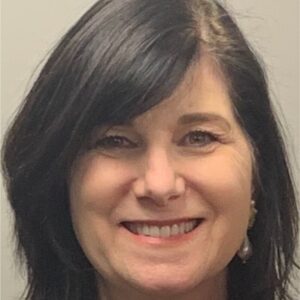
Karla Keegan, talent acquisition manager at Agemark Senior Living
Employee referral programs continue to be one of the most effective ways to attract quality candidates. At Agemark Senior Living, referred candidates often arrive with a stronger understanding of the organization’s culture and expectations. They also benefit from having a built-in support system and mentor from day one. To encourage participation, the organization offers referral bonuses to employees whose recommendations result in successful hires.
Online job promotion is another key component of Agemark’s recruitment strategy. The organization uses social media and other digital channels to highlight open positions and showcase its workplace culture. Support from the in-house marketing team helps present an authentic picture of life within the community, both for prospective residents and potential employees.
“Much of their work focuses on highlighting and showcasing current employees, showcasing our culture, and giving prospective candidates a realistic view of what it’s like to work in our communities,” says Karla Keegan, talent acquisition manager at Agemark Senior Living. “We’ve found that authenticity matters. Candidates want to see real people, real stories, and a workplace culture that feels supportive, purposeful, and engaging.”
Building strong partnerships has also proven valuable for attracting top talent. At Ingleside, collaborations with educational institutions, workforce development programs, and professional organizations have helped create a steady pipeline of future caregivers and nurses.
Technology-driven recruitment efforts have further expanded candidate outreach. “Digital recruitment tools such as Indeed Smart Sourcing, UKG recruiting, and HRIS system have also been valuable in proactive identifying and connecting with qualified candidates rather than waiting for applicants to apply on their own,” says Traci Alley, MSM, PHR, SHRM-CP, chief human resources and compliance officer at Ingleside.
She adds that Indeed sponsorships and targeted digital advertising have also increased job visibility and helped the organization connect with more qualified job seekers. “While job fairs and school partnerships remain valuable, digital recruitment strategies tend to provide greater scalability and speed in today’s hiring environment,” says Alley.
How Senior Living Communities Can Stand Out to Job Seekers

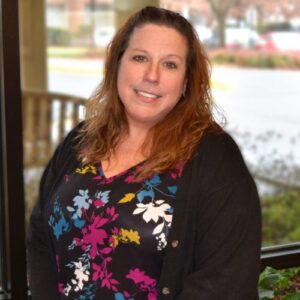
Traci Alley, MSM, PHR, SHRM-CP, chief human resources and compliance officer at Ingleside
The ongoing labor shortage has intensified competition for experienced caregivers, CNAs, and support staff. Senior living communities are not only competing with one another for talent, but also with hospitals, outpatient facilities, and staffing agencies that may offer alternative career opportunities.
In this environment, establishing a strong reputation can be a significant advantage. Industry affiliations and organizational credibility help Ingleside stand apart from competitors. The community’s partnerships and participation in organizations such as LeadingAge reinforces the community’s commitment to professional excellence and demonstrates its engagement with the broader senior living industry.
A strong digital presence also plays an important role in attracting candidates. Through senior living platforms and social media channels, Ingleside can communicate its culture, values, leadership approach, and employee recognition efforts. These factors increasingly influence job seekers who want to align themselves with organizations that offer both purpose and professional support. “Candidates increasingly want to work for organizations with a positive reputation, strong leadership, and a mission-driven culture,” Alley explains.
What Today’s Candidates Want Most From Employers
The priorities of today’s workforce continue to evolve. Keegan notes that while competitive pay remains important, many candidates place greater emphasis on work-life balance and flexibility. “Flexible scheduling has become just as critical, especially for frontline caregivers balancing work and personal responsibilities,”she says. “Benefits and job stability also carry significant weight in today’s competitive market.”
Compensation, however, remains a major factor for many job seekers, according to Alley. Candidates are increasingly aware of market wages and often compare opportunities across healthcare settings before making employment decisions. This reality makes it essential for organizations to regularly evaluate their compensation strategies and remain competitive.
Professional development opportunities can also influence a candidate’s decision when choosing between employers. “When organizations invest in ongoing training, skill-building, and clear growth pathways, employees are more likely to stay and advance internally,” Keegan explains. “Career progression from caregiver roles into leadership or specialty positions further strengthens long-term retention and engagement.”
Common Hiring Mistakes That Can Cost Communities Top Talent
One of the most common recruitment mistakes senior care operators make is approaching hiring as a reactive process. “Waiting until a role becomes vacant or urgent often leads to rushed decisions, lower-quality candidate pools, and a greater risk of turnover,” says Keegan.
Inconsistent communication throughout the hiring process, including follow-up delays, unclear timelines, and lack of engagement, can also cause strong candidates to lose interest and accept opportunities elsewhere before an offer is made.
Organizations may also limit their hiring success by focusing too heavily on immediate experience requirements. Looking beyond a candidate’s current qualifications and recognizing transferable skills, growth potential, and cultural fit can uncover valuable future employees who may otherwise be overlooked.
Building a Workforce Strategy That Supports Long-Term Retention
Alley encourages communities to focus on creating long-term workforce pipelines to strengthen recruitment efforts. “Developing internship opportunities and partnerships with high schools, colleges, CNA programs, and nursing schools can introduce students to senior living careers early in their professional development,” she says.
A strong online presence can further improve recruitment outcomes, particularly when organizations share authentic employee stories and testimonials that provide insight into workplace culture.
“Most importantly, communities should prioritize creating environments where employees feel valued and empowered to grow professionally,” Alley explains. “Recruitment may bring employees in, but culture and leadership are what ultimately retain top talent.”
Paige Cerulli is a contributing writer to i Advance Senior Care.
Related Articles






Topics: Business Marketing Including Social Media and CRM , Communication , Featured Articles , Leadership , Operations , Staffing