
 by Paige Cerulli
Strategies to Strengthen Team Collaboration in Senior Care Settings
Staff are a senior care community’s greatest asset, and strong collaboration can make that asset even more effective. Yet many communities struggle with cross-team communication and coordination. Workforce silos and limited collaboration can affect everything from staff productivity to care consistency and quality. Fortunately, communities can take meaningful steps to strengthen teamwork and improve collaboration across departments.
Read on to learn how senior care leaders break down silos, improve communication, and use technology to create stronger, more connected care teams.
Biggest Barriers to Effective Team Collaboration

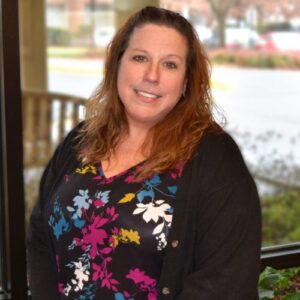
TeriAnne Benson, director of clinical strategy and innovation at Bloom Healthcare
Many teams are already stretched thin due to staffing shortages, making collaboration more difficult. TeriAnne Benson, director of clinical strategy and innovation at Bloom Healthcare, says excessive time spent on manual or repetitive documentation takes valuable time away from patient care and coordination. “Inefficient documentation workflows can also increase burnout and raise the risk of missed or delayed information during care transitions, weakening communication across teams and settings,” she says.
Ashley O’Brien, executive director, Masonicare at Greenridge Place, believes one of the biggest obstacles to collaboration is mindset rather than process. “In senior care, longevity is both a strength and a challenge,” she explains. “Teams with deep experience often rely on what has worked historically, but the reality is that this industry is evolving rapidly. True collaboration requires a willingness to evolve. It demands that leaders and frontline staff alike stay engaged, open, and energized by change. Without that shared commitment, even the best systems fall flat.”
Structuring Shifts and Teams to Facilitate Collaboration and Communication
Effective collaboration depends on creating opportunities for communication. To encourage those interactions, Masonicare builds a 30-minute overlap into staff shifts. “That dedicated time allows for real conversation, not rushed handoffs,” says O’Brien. It creates space for nuance, for questions, and for shared accountability.”
Bloom Healthcare providers work across decentralized settings, including assisted living communities, where teams share accountability throughout each patient’s care journey. Benson says the organization prioritizes consistency in how information is reviewed before visits and finalized afterward, helping ensure staff can always access the most current patient information.
How to Prevent Staff Silos
To facilitate communication between clinical staff and administrative teams and prevent silos, Masonicare uses an anonymous survey to understand how employees prefer to receive information and which communication styles work best for them. “The results were clear,” says O’Brien. While technology remains important, some team members still rely on physical touchpoints, such as updates posted near the time clock. Tailoring communication methods to staff preferences helps strengthen collaboration across departments.
Benson says consolidating information into a single, integrated workflow is another effective way to reduce silos. Communication often breaks down when information is scattered across multiple systems. Integrating documentation tools into the EHR helps ensure teams work from the same information.

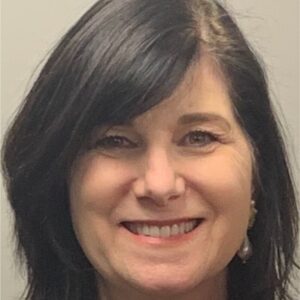
Ashley O’Brien, executive director, Masonicare at Greenridge Place
Tools and Technologies to Enhance Team Collaboration
When implemented thoughtfully, technology can improve communication and collaboration among care teams. “We are in the process of rolling out Zoom Chat as a secure, real time communication tool for non-emergent updates,” says O’Brien. “It functions much like earlier instant messaging platforms, but within a protected environment suited for healthcare.”
Masonicare also finds new ways to use its EHR system collaboratively. Reception and dining teams, for example, work together to track meal attendance through the platform. “That kind of cross departmental visibility strengthens both operations and the resident experience,” O’Brien explains. “Technology should not replace human connection. It should support it.”
While technology can enhance collaboration, Benson cautions against implementing technology without fully considering workflow compatibility, interoperability, and usability. Poorly integrated tools can make communication and processes more complicated. “Change management and training are equally important,” she says. “Even strong technology can fail if implementation is rushed.”
Tips on Maintaining a Positive Team Dynamic Through Collaboration
At Masonicare, department heads and managers are empowered to lead their own teams, resolve conflicts, and build cohesion. “Leadership cannot be centralized if collaboration is the goal,” O’Brien notes.
The community also prioritizes employee connection and recognition. All-staff meetings involve team-building activities, and initiatives such as the Engagement and Recognition Committee, corporate ICARE awards, and a daily Staff Recognition Wall help reinforce a positive workplace culture.
Building a More Collaborative Senior Care Workforce
Benson encourages senior care communities to approach collaboration through the lens of workflow efficiency and improved care delivery. “Reducing after‑hours documentation, supporting real‑time charting, and minimizing duplicative work all free up time for communication and care coordination, ultimately improving care delivery,” she says.
Effective collaboration also depends on giving staff timely access to information that can move easily between teams. The right combination of technology and operational processes can help create that environment.
Communities must also remain willing to evolve in how they support staff and structure communication. “What works today may not work tomorrow,” O’Brien says. “That is the reality of this field. The organizations that will lead are the ones that remain curious—the ones that continuously seek new and better ways to communicate, collaborate, and strengthen their communities.”
Paige Cerulli is a contributing writer to i Advance Senior Care.
Related Articles







Topics: Executive Leadership , Facility management , Featured Articles , Leadership , Operations , Staffing