

 by Paige Cerulli
A More Human Approach: How Senior Care Communities Are Raising the Bar on End-of-Life Care
A compassionate, well-planned approach to end-of-life care helps senior care communities support residents and their families during one of life’s most vulnerable moments. More than a clinical service, end-of-life care reflects a community’s values and commitment to providing comfort, dignity, and meaningful support. I Advance Senior Care spoke with senior care experts about practical strategies communities can use to strengthen the end-of-life experience.
Read on to discover how stronger communication, deeper collaboration, and thoughtful personal touches can help communities provide more compassionate end-of-life care.
What Compassionate End-of-Life Care Looks Like

Andy Siegel, chief business development officer and head of Goodwin Living Health
Quality end-of-life care begins with recognizing each resident as a whole person rather than focusing only on medical needs. Andy Siegel, chief business development officer and head of Goodwin Living Health, says Goodwin-Hospice centers its approach on honoring every aspect of a resident’s physical, emotional, and spiritual well-being.
The strong relationships built between staff and residents make that possible. “Our hospice team works in close partnership with team members of each senior living community who have often known residents for years,” says Siegel. “This close collaboration creates deep trust and continuity of care.”
For Katie Gehman, health services liaison at Aspire for Well-Being Hospice, quality end-of-life care is an ongoing, compassionate process that provides additional layers of support for residents, families, and caregivers during an especially difficult time.
“We are dedicated to delivering comfort-focused, individualized care that honors dignity, respects personal wishes, and supports emotional wellbeing at every stage,” she says.
Ensuring Every Resident’s Wishes Are Honored
Meaningful end-of-life care starts with honest conversations about a resident’s values, goals, and personal wishes. Gehman’s team encourages these discussions early, helping residents and families navigate topics that can be emotional and difficult. “We meet residents and families where they are, honoring their choices and supporting them every step of the way,” she explains. By building trust and taking time to understand each individual, caregivers can create care plans that feel personal and supportive.
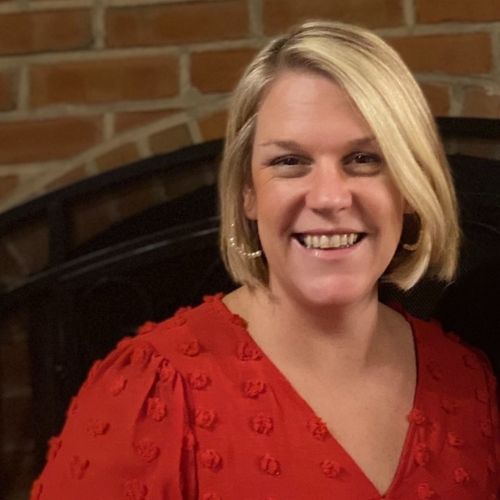
Katie Gehman, health services liaison at Aspire for Well-Being Hospice
Starting these conversations early also allows care teams to revisit preferences as resident needs evolve. At Goodwin-Hospice, staff members who know residents best work alongside hospice clinicians to ensure both clinical preferences and personal values shape each resident’s care. Hospice case managers, social workers, and chaplains document and communicate those wishes so they remain central to every decision.
Supporting family members is another essential part of the process. Gehman’s team works to involve and support family members alongside the resident, so everyone feels heard and valued. As staff help families understand what to expect, they keep the resident’s wishes at the center of every decision.
“By maintaining open communication and offering guidance and support, we’re able to help preserve quality of life, respect each resident’s autonomy, and thoughtfully manage family expectations through every stage of care,” says Gehman.
Small But Meaningful Practices That Make a Difference
Some of the most meaningful moments in end-of-life care come from simple, deeply personal gestures. Whether it is playing a resident’s favorite song, sitting quietly at the bedside, or providing comforting therapies, these individualized acts can have a lasting impact on residents and their families.
“We leverage things like massage therapy and end of life doulas are core differentiators,” Siegel explains. The close partnership between Goodwin Hospice team members and the Goodwin Living community staff who have built long-term relationships with residents also helps make these experiences especially personal and meaningful.
What’s Next for End-of-Life Care in Senior Living
As senior care continues to evolve, end-of-life care is becoming more proactive, collaborative, and personalized. “Improvements in end-of-life care will come from stronger education, earlier recognition and tracking of changing needs, and more open conversations that start sooner,” says Gehman. Strong coordination across care teams can also help staff anticipate needs, reduce uncertainty, and provide more compassionate support for both residents and their families.
Siegel sees even greater integration between hospice providers and senior living communities as a key part of the future. “Shared training, earlier introduction of palliative care principles, and stronger support for team members, especially those with long-term relationships with residents, will improve both care quality and caregiver well-being,” he says.
The combination of clinical expertise and long-standing personal relationships creates a stronger foundation for exceptional care. “Hospice brings specialized knowledge, while community team members bring years of connection and trust,” says Siegel. “Together, in a mission-driven setting, that creates care that is both clinically excellent and deeply human.”
Paige Cerulli is a contributing writer to i Advance Senior Care.
Related Articles









Topics: Featured Articles , Operations