

 by Paige Cerulli
6 Tips to Create Valuable Volunteer Opportunities in Senior Care Communities
Volunteer programs can bring meaningful benefits to senior care communities, whether volunteers come from the surrounding community or residents head out to give back. These opportunities can foster new relationships, help residents stay connected to the broader community, and give residents a renewed sense of purpose.

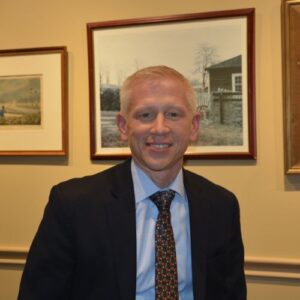
Caroline Silva, volunteer and community engagement manager at Christian Health
At Christian Health in Wyckoff, New Jersey, volunteers make a significant contribution each year. “Volunteers are the lifeblood of our organization,” says Caroline Silva, volunteer and community engagement manager at Christian Health. “Each year, over 300 adults and teenagers, ages 13 through 17, collectively contribute more than 17,000 hours of volunteer service to Christian Health.”
CareOne also welcomes volunteers from the surrounding community while actively seeking opportunities for residents to volunteer outside its centers. Bringing volunteers into the centers introduces residents and staff to new people and gives residents opportunities to build meaningful relationships.
“Our residents develop such a connection to those volunteers that you can see a difference in the residents when the volunteers aren’t there,” says Kaitlyn Koch, communications director at CareOne. “I think that’s something that’s so unique and provides such a difference in daily life.”
At the same time, she’s found that residents are eager to volunteer within the greater community. Volunteering can provide a sense of fulfillment and purpose while allowing residents to pursue opportunities that reflect their interests and skills.
Read on for six tips from Koch and Silva to help your community develop meaningful volunteer opportunities for residents and members of the greater community.
1. Design a Community-Wide Initiative
An organized, community-wide volunteer initiative can help build enthusiasm and encourage more residents to get involved. CareOne’s annual Summer of Sharing campaign gives each community the opportunity to select a local charity and support it through fundraising efforts throughout the summer. Residents participate in activities such as bake sales and collection drives to raise money for their chosen organizations.
One year, a CareOne community selected an animal shelter as its beneficiary. Residents made dog treats and visited the shelter to deliver them, spend time with the dogs, and participate in pet therapy.
2. Get to Know Residents Well

Kaitlyn Koch, communications director at CareOne
Volunteer opportunities are more likely to resonate with residents when they reflect their individual personalities, interests, and experiences. “We try to see what each resident’s personality and hobbies are and then try to leverage those to create opportunities,” explains Koch.
For example, some residents enjoy visiting local elementary schools on grandparents’ day to read a book to children. Other residents who are former football players volunteer with local sports teams during the fall to hold a chicken wing fundraiser benefiting the local athletic club.
Matching opportunities with residents’ interests and backgrounds can make volunteering more personal, engaging, and fulfilling.
3. Offer a Variety of Opportunities
Volunteers from the greater community bring different interests, talents, and comfort levels. Providing a range of ways to contribute makes it easier for individuals to find roles that are meaningful to them and useful to the community.
At Christian Health, volunteers can serve as greeters in the main building, assist with administrative projects, participate in resident activities, help residents select menu items for the following week, or share musical talents. The organization also has 15 pet therapy volunteers who visit its communities each week.
Some people may simply want to help but may not know what role would suit them best. Offering several options can help them find the right fit. Communities can also invite volunteers to suggest their own ideas, which may uncover valuable opportunities staff hadn’t previously considered.
4. Reach Out to the Greater Community
Local organizations can be valuable partners for both recruiting volunteers and identifying opportunities for residents to give back. Koch encourages senior care communities to connect with senior centers, school districts, parent organizations, Girl Scouts, Boy Scouts, Rotary clubs, and Kiwanis clubs.
Maintaining those relationships can also help residents continue participating in organizations that have long been important to them. “Just because someone moves into assisted living doesn’t mean they’re not a member of the local community,” says Koch. One CareOne community, for example, brings a resident to local Kiwanis club meetings so he can continue contributing to an organization he has been involved with for years.
Christian Health takes a proactive approach to volunteer recruitment as well. Team members attend fairs in surrounding counties, where they introduce attendees to the organization and share information about available volunteer opportunities.
5. Gather Feedback
Regular feedback can help communities understand what is working, identify opportunities for improvement, and shape future volunteer programming. Christian Health stays in touch with volunteers through phone calls, email, and conversations before and after activities.
Feedback from residents and families is equally important. “We also ask family members and residents how the volunteer program is going for them and if they have any ideas for improvement or new opportunities,” she says.
Keeping those lines of communication open gives communities a clearer picture of how volunteer programs are received and where they can evolve.
6. Be Willing to Say Yes
A willingness to explore new ideas can lead to some of the most rewarding volunteer experiences. Koch tries to remain open to residents’ suggestions, even when an idea initially seems difficult to execute. “If a resident has a crazy idea, we’ll try and make it happen,” she says. Making that extra effort can help residents feel heard and supported while creating opportunities that genuinely matter to them.
The same openness applies when volunteers bring forward their own ideas. Over the years, those suggestions have led volunteers to play piano, lead book clubs, complete painting projects with residents, and pursue other activities based on shared interests. “We have one volunteer who comes in and works with a resident who’s a former art teacher,” says Koch. “They’ll make scenic indoor paintings.”
Put the Time Into Volunteer Opportunities
Developing and managing volunteer opportunities requires staff time and coordination, but the investment can create meaningful benefits for residents and the community. Involving residents, staff, family members, and volunteers in the process can help communities develop opportunities that reflect participants’ interests and create lasting connections.
With thoughtful planning and a willingness to listen to new ideas, senior care communities can create volunteer programs that give residents meaningful ways to contribute while strengthening their ties to the people and organizations around them.
Paige Cerulli is a contributing writer to i Advance Senior Care.
Related Articles








Topics: Activities , Featured Articles , Operations , Staffing