

 by Paige Cerulli
Integrating Spiritual Care in Senior Living: Best Practices for Meaningful Resident Support
Senior care communities often prioritize physical health, but for many residents, spiritual well-being is just as important to their overall quality of life. Integrating spiritual care into residential settings can be complex, yet leading organizations are finding effective ways to overcome challenges such as connecting with local faith leaders and ensuring residents are aware of available services.
Read on to discover how senior living communities successfully integrate spiritual care to enhance residents’ overall well-being.
The Importance of Integrating Spiritual Care
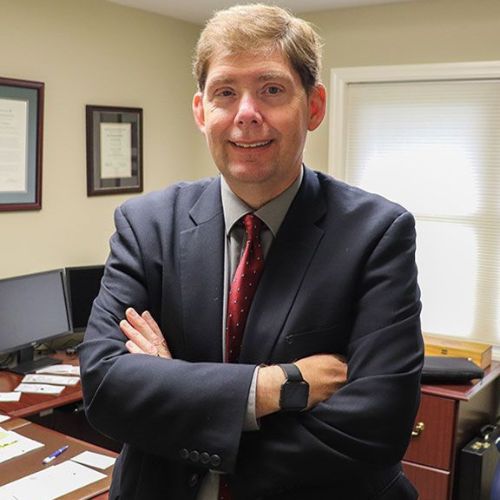
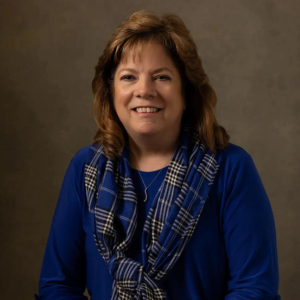
Carl Anderson, vice president for fraternal relations at Masonicare
Providing access to spiritual care plays a central role in supporting the whole person. “At Masonicare, spiritual care is not an add-on,” says Reverend Carl Anderson, vice president for fraternal relations at Masonicare. “It is integrated into the overall well-being of our residents. Beyond physical, cognitive, and emotional support, spiritual care nurtures meaning, purpose, and connection.”
While traditional approaches often rely on outside clergy, Masonicare offers in-house expertise, allowing for more consistent and personalized support for residents.
Spiritual Care Offerings and Senior Living
At Masonicare, spiritual care is woven into daily life. Residents can participate in weekly services led by staff and visiting clergy, and the community marks a wide range of religious and spiritual holidays. “Memorial and remembrance services honor lives and create shared experiences for families,” says Anderson. “Beyond formal worship, opportunities for spiritual growth are provided through meditation, mindfulness, and reflective practices. The goal is to ensure residents experience continuity of purpose, peace, and community.”
Moorings Park Communities also offers a diverse array of programs, including weekly nondenominational worship, Catholic mass, Episcopal services, Shabbat gatherings and Oneg, and monthly motivational services.
In addition, the communities provide many events to foster community connection and support. These include weekly resident meet-and-greet gatherings, pastoral counseling for residents and family members, monthly praise and worship services, and a Bower Chapel Concert Series that celebrates music and inspiration.
Additional offerings include grief counseling, celebration of life and memorial services, communion and prayer visits for residents and partners upon request, hospital and hospice visitation, and more.
Providing Services That Reflect a Wide Range of Beliefs
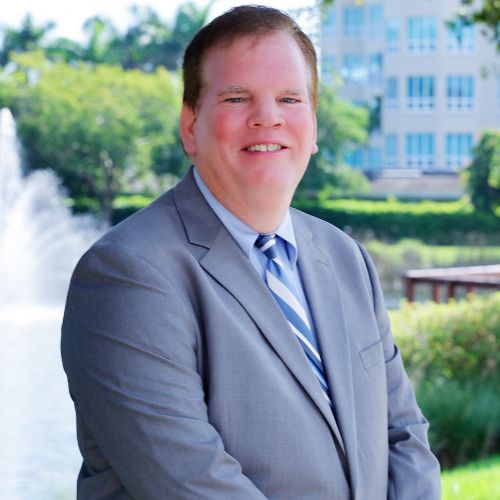
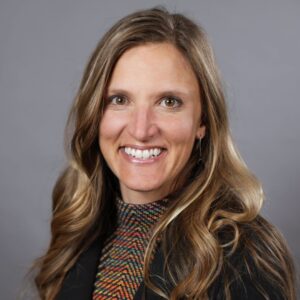
Matt Agnew, PhD, director of ministry at Moorings Park Communities
The wide range of services at Moorings Park Communities reflects a strong and supportive foundation for residents, regardless of denomination. “We are a non-denominational, non-profit senior living organization that strives to reflect the inclusive love of God in all we do,” explains Matt Agnew, PhD, director of ministry at Moorings Park Communities. “With this spirit of openness, we intentionally build meaningful relationships with pastors, clergy, and spiritual leaders from a wide range of denominational and faith backgrounds throughout our area.”
A resident-led Spiritual Life Committee also shapes the communities’ programming. Made up of residents from all three communities, the group sets goals and helps guide initiatives that promote spiritual engagement and support successful aging.
Effective and Valuable Spiritual Services
Personal, accessible offerings often resonate most strongly with residents. Anderson has found that pastoral visits and small spiritual groups create meaningful opportunities for connection. The community’s volunteer chaplain program allows trained lay volunteers to provide residents with meaningful spiritual engagement. “These practices honor resident preferences while offering flexibility in format and setting,” he says.
Many residents also connect spiritually in ways that are not tied to a specific faith. Activities such as nature walks, bird watching, creating memory books, participating in wisdom-sharing groups, meditation, and volunteering can all foster a sense of spiritual connection.
To ensure residents can access spiritual care, staff and volunteers assist residents in attending services or participating in spiritual programs within their own living spaces. This approach helps remove mobility-related barriers to spiritual care.
Navigating Obstacles to Spiritual Care
The declining number of local clergy and religious resources has become a challenge. “We address this by cultivating strong relationships with local faith leaders and investing in internal staff and volunteer programs to bridge gaps,” says Anderson. “Flexibility and creativity are key to maintaining robust spiritual programming.”
Clear and consistent communication also plays a critical role. “Our goal is to ensure that residents and their families are aware of the many ways they can engage, find support, and enrich their spiritual well-being through our daily services and activities,” says Agnew.
Advice for Expanding Spiritual Care
Expanding spiritual care services can significantly enhance residents’ quality of life. Anderson suggests developing a volunteer chaplain program. “Training laity to assist in spiritual engagement amplifies reach, ensures consistency, and strengthens community bonds,” he explains. “Combining staff expertise with volunteers allows for both breadth and depth in programming.
“Spiritual care is not ancillary,” Anderson adds, emphasizing that it is integral to residents’ dignity, resilience, and quality of life. “Communities that invest in thoughtful, inclusive, and accessible spiritual services create environments where residents can continue to grow, reflect, and find meaning every day. It is both a practice of care and a practice of heart.”
Paige Cerulli is a contributing writer to i Advance Senior Care.
Related Articles





Topics: Activities , Facility management , Featured Articles , Operations