

 by Paige Cerulli
How Equine Therapy Enriches the Lives of Skilled Nursing Residents
Many senior care communities embrace pet therapy, recognizing the calming and uplifting effect animals can have on residents. While dogs are the most common visitors, some programs even bring in miniature horses, which can easily navigate hallways, enter resident rooms, and interact with individuals in beds or wheelchairs.
One senior care community, however, has taken the concept a step further. Instead of bringing scaled-down animals indoors, Westminster at Lake Ridge has introduced an equine therapy program that gives skilled nursing residents the opportunity to engage with full-sized horses at a nearby farm. Launched in 2023, the program has already made a remarkable impact. According to Life Enrichment Manager Otmar Donald, ACC, the residents have experienced profound benefits from their interactions with these gentle giants.
How the Program Began

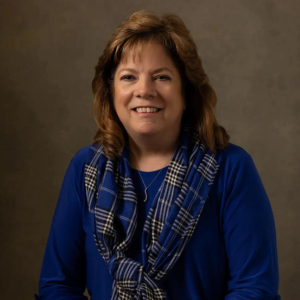
Otmar Donald, ACC, life enrichment manager at Westminster at Lake Ridge
The program came about as the result of a grant that funded multiple senior communities. It was specifically designed for residents in skilled nursing facilities, so residents in the Westminster at Lake Ridge assisted living program wouldn’t qualify. “The idea was to increase cognitive support and provide social wellness for our residents where they would actually leave the community and go to the farm and meet other residents that were part of other communities,” Donald says.
The program also incorporates a meaningful educational component. Although residents don’t ride the horses, they have opportunities to interact closely with instructors, fellow community members, and the horses themselves. In addition to feeding and petting the animals, residents learn about safety practices, equine behavior and movement, riding equipment, and other aspects of horse care and handling.
When the program began, Westminster at Lake Ridge transported a small group of residents to a farm for weekly therapy sessions. Ultimately, Donald made the decision to transition the program to Cloverleaf Equine Center, a nonprofit 501(c)(3) organization that was a better fit for the residents’ need. The equine center has an outdoor and indoor riding arena, allowing residents to attend equine therapy sessions regardless of the weather.
When Donald first introduced the program to residents, he received mixed reactions. Some thought they were going to ride horses, while others who had ridden in the past remembered their days riding or other experiences with horses. “I had to clarify that we’re not going to ride, but we’ll be able to interact with the horses,” he says.
Recognizing the power of word of mouth, Donald embraced the philosophy, “If I can win one, then I can win some.” He will sometimes take an entire bus to transport one resident to an equine therapy session. If that resident enjoys the experience, he encourages them to share their enthusiasm with others and invite a friend along the next time. Once a few residents tried the program and found it meaningful, a steady group quickly formed, attending the weekly sessions with growing interest and consistency.
Cloverleaf Equine Center supplied its own paperwork, including a liability release, which was typically sent electronically to residents’ family members for completion. Once the forms were completed, they were returned directly to the equine center. Donald notes that the paperwork was thorough and thoughtfully designed, giving the center’s staff important insight into each resident’s abilities and limitations. “I liked that [the equine center] had their own form. They were looking to manage expectations from their end and our end,” he says. The information helped the center ensure that residents were having a safe and enjoyable time.
Each Thursday, residents boarded one of the community’s buses, which could accommodate two wheelchair lockdowns. “With limited space, we had to be creative in trying to increase attendance,” Donald explains. Some residents who used wheelchairs were able to self-transfer into standard seats, allowing staff to secure their wheelchairs separately. Typically, four to five residents attended each session. At times, interest was so high that Donald needed to rotate participants from week to week to ensure everyone who wanted to go had an opportunity.
How Equine Therapy Impacts Residents
During equine therapy sessions, residents perform a variety of activities. During one session, they took part in a collaborative painting project with the horses. Residents placed drops of paint onto a paper plate, which was then sealed inside a Ziploc bag. The plate was set in front of the horses with a bit of food on top, encouraging the animals to nudge and push the paint around as they ate. The result was a colorful, horse-created work of art that residents loved.
Another activity, called the gallop exercise, invited a bit of friendly competition. Residents sat with sheets of newspaper placed on the floor in front of them and used their legs to pull the paper toward themselves, essentially “racing” one another to the finish.
In other lessons, residents explored equipment commonly used in horse racing. They tried on helmets, handled a racing whip, and watched videos of competitive races. Instructors also read horse-themed books and encouraged discussion by asking residents what they thought of the stories and how the narratives made them feel. Residents even had the opportunity to groom the horses, deepening their hands-on connection with the animals.
The therapy program was organized into spring and fall sessions, each concluding with a special family day. Residents’ loved ones were invited to the farm, creating a warm, intergenerational experience as children and grandchildren joined in the activities.
Residents who participated in the equine therapy program faced a range of cognitive challenges, and some also had mobility limitations. Donald praises the Cloverleaf Equine Center staff for their exceptional patience and skill in working with them. The instructors all had significant experience either volunteering with or training horses, and came from diverse professional backgrounds. Some volunteers were government workers, while several instructors had additional training in senior care, ensuring they understood how to support and communicate effectively with older adults.
The result was a transformative experience. Donald recalls one resident with a severe cognitive impairment who was easily triggered and often reacted negatively. “We found that it was already hard for him to be able to engage in our regular program, so to take him out of his normal environment and give him an opportunity to engage outside, we took a chance,” he says. “I’m glad we took that chance.”
Although the resident was visibly uncomfortable during the bus ride, Donald says that once they arrived at the farm, it was like he was a different person. “Equine therapy helps to limit some of those aggressive behaviors,” he explains. For instance, residents could brush a horse with one hand while gently rubbing the animal with the other. “That level of contact feels like a sense of peace that’s overwhelming,” Donald adds. “He got to experience that and came back more alert, respectful, and engaged. Eventually those levels of aggression did return, but for a significant moment, this was a whole different human being.”
Notably, residents consistently remembered that every Thursday at 10:00 a.m., the bus would be waiting outside to take them to see the horses. “They couldn’t remember any of our other programs,” Donald explains. “If nothing else, that was the most valuable to me. On their own, these residents need assistance with activities of daily living, and they may not be able to recognize or remember your name.” But when it came to the equine therapy program, residents were able to remember a specific time, place, and event.
Due to governmental changes, grant funding for the program was discontinued after about two years, ending the program, at least for now. “We did everything we could to maintain the program,” Donald explains. “It’s something we hope to embark on again.”
Strategies for Starting an Equine Therapy Program
Donald recommends that any community interested in launching an equine therapy program begin by reviewing its resident assessment protocols. He advises looking closely at each resident’s interests and preferences, such as whether they enjoy spending time outdoors or feel comfortable in small-group settings, to determine who might benefit most.
The next step is evaluating the community’s capabilities. Can the organization reliably transport residents to an equine facility, or would the program need to come to them? Understanding these logistical considerations early on helps ensure that an equine therapy initiative is both feasible and safe.
Staffing availability also plays a key role. “Often, I would have three residents and one staff member,” says Donald. Communities should consider how staffing will affect the program.
He also recommends that communities look for grant opportunities or pursue fundraising efforts. “It is an expensive venture,” he says. Donald credits the grant with providing Westminster at Lake Ridge an opportunity it might not otherwise have been able to access.
It’s also important to consider how to manage resident interest. If communities don’t have any residents to attend in a given week, the equine therapy provider may end up with reserved time but no clients. “We were always announcing equine therapy, and residents started to remember,” says Donald. “Consistency is always key.”
He also encourages communities to consider how the distance to an equine facility might affect the program. If an emergency occurs, how quickly can additional community staff get to the center to help?
Equine therapy can be a highly rewarding and beneficial program for residents. Donald’s experience demonstrates how such an initiative can be well-run and become very popular among residents. If senior care communities can successfully overcome funding and logistical challenges, an equine therapy program can offer a powerful avenue for resident support, providing meaningful opportunities to connect with and learn from these remarkable animals.
Paige Cerulli is a contributing writer to i Advance Senior Care.
Related Articles








Topics: Activities , Alzheimer's/Dementia , Featured Articles , Operations , Rehabilitation