

 by Paige Cerulli
Small Bites, Big Benefits: How Smart Snack Programs Support Senior Nutrition and Wellness
Snack programs can play an important role in senior care communities, supporting residents’ nutritional needs while adding enjoyable moments to their daily routines. They can be particularly valuable for residents who struggle to consume larger meals, while also creating opportunities for socialization and connection. With thoughtful planning, communities can make snacks a meaningful part of their broader approach to resident health and wellness.
Read on to learn how senior care communities can build snack programs that support nutrition, accommodate individual needs, and give residents choices they genuinely enjoy.
How Snacks Support Nutrition Between Meals

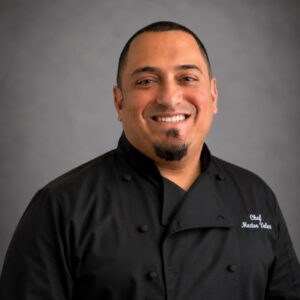
Michael Wilson, vice president of food & beverage at The Bristal Assisted Living
At The Bristal Assisted Living, snacks are considered an essential part of the overall dining and wellness program. Michael Wilson, vice president of food & beverage, brings years of experience as a chef to his role overseeing culinary operations, giving him a back-of-house perspective on how snacks can complement meals throughout the day.
“While our residents enjoy chef-prepared meals throughout the day, thoughtfully curated culinary offerings help bridge the gap between meal periods, support sustained energy, and provide additional opportunities for nourishment and enjoyment,” he says.
Snack options can help residents meet their daily calorie, protein, hydration, and nutrient needs. Beyond providing additional nourishment, snacks can extend a community’s hospitality throughout the day and create more opportunities for social engagement and wellness.
Designing Snacks Around Residents’ Nutritional Needs
Supporting healthy aging and longevity through nutrient-dense choices is a primary goal of The Bristal Assisted Living’s snack program. “We focus on providing culinary offerings that help maintain muscle mass through adequate protein intake, support heart and brain health with quality fats and whole foods, and encourage hydration through fresh fruits and beverages,” says Wilson. “We also aim to increase consumption of fiber, vitamins, and minerals while accommodating individual dietary needs. Ultimately, our snack program is designed to complement residents’ nutritional intake and help them meet their daily wellness goals without sacrificing taste or enjoyment.”
Meeting those goals requires close collaboration between the community’s registered dietitian and culinary leaders. Together, they plan snack selections that can accommodate dietary requirements such as low-sodium, diabetic-friendly, heart-healthy, vegetarian, gluten-sensitive, and texture-modified diets.
The community also gives chefs room to bring their own personal style, culture, and culinary education to the foods they prepare, including snacks. Resident preferences help shape those offerings as well. The community collects feedback through resident councils, dining surveys, and direct interaction with the culinary teams, which helps guide snack program planning.
Access and convenience are equally important to a successful program. Residents can find snacks in bistros, cafes, and activity areas, as well as during social programming. The community also incorporates snacks into wellness initiatives, resident events, and specialty programming, making them readily available throughout the day.
Balancing Nutrition With the Foods Residents Love
Freshly prepared foods that combine flavor and nutrition are among the most popular snack offerings at The Bristal Assisted Living. “Greek yogurt parfaits, fresh fruit, house-made muffins, hummus with vegetables, cheese and crackers, smoothies, and protein-rich grab-and-go items consistently perform well,” says Wilson. “We have seen preferences evolve toward more health-conscious choices, with increased interest in high-protein snacks, plant-forward options, and lower-sugar alternatives.”
Creating a successful snack program does not have to mean choosing between familiar favorites and healthier options. Wilson believes the best dining programs give residents opportunities to enjoy both.
“Instead, we elevate familiar favorites by using high-quality ingredients and healthier preparation methods whenever possible,” he explains. “For example, we may offer freshly baked oatmeal cookies alongside fruit and yogurt parfaits, or provide house-made popcorn and roasted nuts as alternatives to more traditional snack foods. The goal is to create a balanced environment where residents can indulge occasionally while having easy access to nutrient-rich options every day.”
Individual communities also develop their own preferences and culinary identities, particularly when chefs are encouraged to draw on their personal experiences and cultural backgrounds when developing offerings. “Our communities each have their own cultural and heritage backgrounds, which, through our committee meetings, helps to influence new foods being created and offered,” Wilson explains.
That flexibility allows snack menus to continue evolving based on resident interests and community preferences, helping keep offerings fresh, varied, and appealing.
Paige Cerulli is a contributing writer to i Advance Senior Care.
Related Articles








Topics: Facility management , Featured Articles , Nutrition , Operations