

 by Paige Cerulli
Plant-Forward Dining in Senior Living: Benefits, Challenges, and Best Practices
As plant-forward dining continues to gain momentum, residents increasingly seek communities that offer flexible dining programs with a variety of nutritious options. In response, senior living communities are expanding their plant-forward menu offerings. While this approach provides numerous benefits, it also presents unique challenges. As older adults show greater interest in wellness-focused dining, plant-forward menus are becoming a lasting part of senior living food service, prompting communities to find effective ways to incorporate them into everyday dining experiences.
Read on to learn how senior living communities balance nutrition, resident preferences, and operational considerations when expanding plant-forward menu offerings.
The Growing Demand for Plant-Forward Menu Options
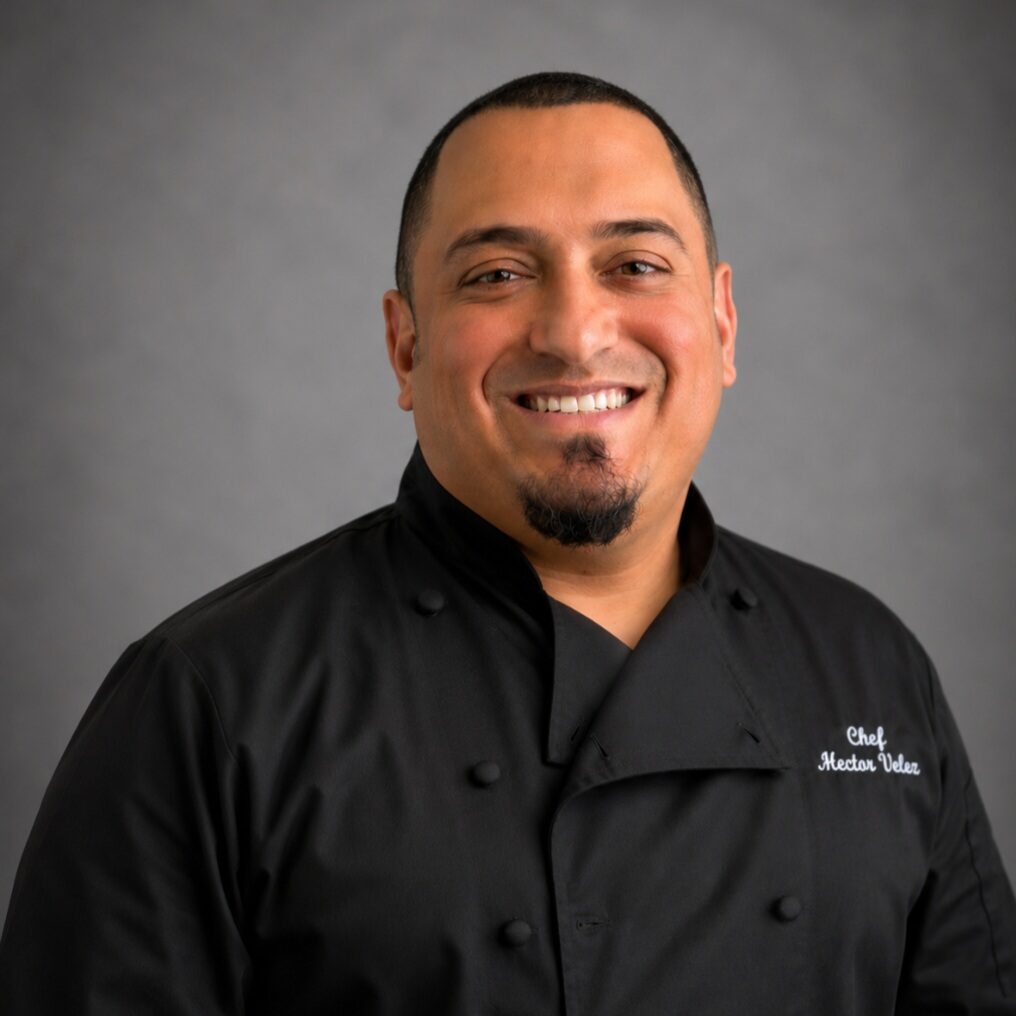
Hector Velez, executive chef and director of dining services, Masonicare at Crosby Commons
Plant-forward dining gives communities an opportunity to support resident wellness while still delivering enjoyable dining experiences. According to Hector Velez, executive chef and director of dining services at Masonicare at Crosby Commons, the plant-forward approach helps residents prioritize health without giving up comfort or flavor.
“Residents are looking for meals that help them feel energized, support overall health, and contribute to well-being, but they also want food that is comforting, flavorful, and familiar,” he says. “Plant-forward dining gives us the opportunity to introduce more nutrient-rich ingredients while still creating an enjoyable dining experience that feels personal and satisfying.”
Still, Masonicare hasn’t transitioned to a full plant-based menu, and instead focuses on balance and choice. The community continues to expand its plant-forward offerings while honoring residents’ individual wants, needs, and preferences. “Today’s older adults are increasingly interested in healthier dining options, and many future consumers are already vegetarian or actively seeking more plant-based meals,” Velez explains.
Designing Plant-Forward Meals That Meet Nutritional Needs
Nutrition remains the foundation of meal planning in senior living, making thoughtful menu development essential when incorporating more plant-forward dishes. Velez emphasizes the importance of ensuring residents receive the nutrients they need, regardless of where those nutrients come from. “We work closely with our culinary and clinical teams to ensure meals are balanced and meet the dietary needs of older adults,” he says.
A variety of nutrient-dense ingredients help support those goals. “We incorporate ingredients such as beans, lentils, quinoa, nuts, dairy, eggs, and plant-based proteins alongside traditional proteins when appropriate,” Velez explains. Masonicare also pays close attention to calorie density to help residents maintain a healthy weight and overall well-being. The meal planning process includes texture modifications, sodium restrictions, diabetic needs, and allergen considerations, too.
“The goal is not simply to serve vegetables,” says Velez. “The goal is to create meals that are nutritionally complete, visually appealing, and enjoyable to eat.”
Overcoming Challenges to Plant-Forward Adoption
Resident perception can be one of the biggest hurdles when introducing plant-forward menu items. Some residents associate plant-based meals with bland flavors, restrictive diets, or unfamiliar ingredients. “Many older adults grew up with traditional comfort foods and have strong emotional connections to those meals,” says Velez.
To overcome that skepticism, Velez prioritizes flavor and familiarity. Rather than making a dramatic menu changes, Masonicare introduces dishes that feel approachable, such as hearty vegetable soups, stuffed peppers, or pasta with roasted vegetables. These familiar options allow residents to enjoy plant-forward ingredients in a comfortable format. Once residents enjoy the meal itself, conversations about nutrition often become much easier.
Menu language and presentation also play an important role in acceptance. “Residents respond much more positively when menu descriptions focus on flavor, freshness, and preparation rather than labeling something strictly as vegetarian or plant-based,” says Velez.
Gradually introducing plant-forward dishes can also contribute to success. Offering a plant-forward special alongside familiar favorites allows residents to explore new options without feeling pressured to embrace a completely different menu.
Maintaining a connection to traditional comfort foods remains equally important. Meals often carry strong emotional, cultural, and personal significance for residents. “Comfort food remains incredibly important in senior living because meals are tied closely to memory, culture, and emotional well-being,” Velez explains.
To strike the right balance, Masonicare builds on familiar recipes by incorporating more vegetables or offering plant-forward side dishes alongside classic entrees.
Resident feedback is another critical part of the process. The community gathers input through resident council meetings, dining surveys, informal conversations, and observations during meal service. “Our residents are very honest about what they enjoy and what they do not,” Velez says. “That feedback helps us refine recipes, adjust seasoning profiles, improve presentation, and identify which dishes resonate most strongly.”
Operational Factors That Support Success
Successfully expanding plant-forward dining requires alignment across the entire dining operation. High-quality ingredients are especially important because the freshness of produce directly affects flavor and presentation. Staff training is equally essential to ensure plant-forward dishes are prepared in ways that are appealing, satisfying, and consistent.
Food waste management also deserves close attention when introducing new menu items. Monitoring resident response and adjusting offerings accordingly can help minimize waste while improving menu performance.
Budget considerations must be part of the planning process as well. While some plant-based ingredients may reduce costs, others can be more expensive depending on sourcing requirements and seasonal availability.
Long-term success depends on integrating plant-forward dining into the community’s overall culture and resident expectations rather than treating it as a passing trend. “It needs to fit the culture of the community and the expectations of residents,” says Velez.
Practical Strategies for Expanding Plant-Forward Menu Options
Communities interested in expanding plant-forward dining may benefit from taking a gradual approach. Velez recommends focusing on quality rather than quantity and making incremental changes that enhance existing menu items. “You do not need to completely reinvent your menu overnight,” he cautions. Instead, communities can start by incorporating more vegetables, whole grains, and plant-based ingredients into familiar recipes.
Velez also encourages dining leaders to keep an open mind about residents’ willingness to try new foods. Many older adults are interested in healthier dining options when the meals are flavorful, appealing, and well-executed.
Resident input should remain at the center of every dining decision. “Most importantly, listen to your residents,” says Velez. “A successful dining program is built around hospitality and personalization. At the end of the day, great senior living dining should always feel welcoming, satisfying, and resident-centered.”
Paige Cerulli is a contributing writer to i Advance Senior Care.
Related Articles









Topics: Facility management , Featured Articles , Nutrition , Operations