


 by Paige Cerulli
Honoring the Individual: A Person-Centered Approach to Memory Care
Person-centered care is reshaping the senior care industry, with especially meaningful benefits in memory care. By prioritizing each individual’s needs, preferences, and life experiences, this approach moves away from traditional staff-centered models. As a result, memory care communities can deliver higher-quality care that truly respects and honors every resident as a whole person.
How Memory Care Programs Implement Person-Centered Care
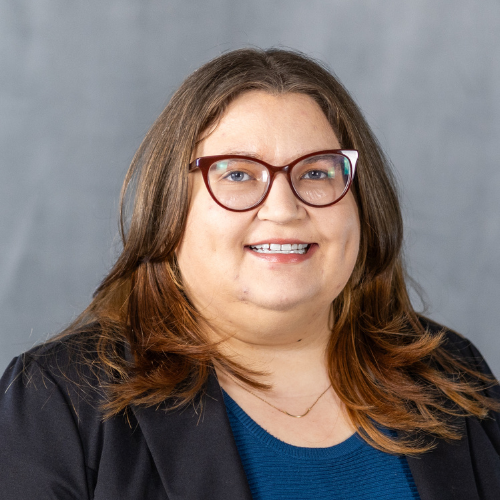
Jessica Fredericksen, Director of Brain Health at Goodwin Living
A person-centered approach – sometimes called person-directed care – is at the heart of many memory care programs today. Jessica Fredericksen, Director of Brain Health at Goodwin Living, explains that under older, staff-centered models, care decisions were often made based on staff convenience. For example, residents might be awakened early for showers simply because night-shift staff were still on duty. In contrast, a person-centered model adapts to the resident: if someone prefers to sleep in, staff adjust schedules so assistance is provided when the resident is awake and ready.
“It’s about really knowing the person,” she says. “You do an in-depth assessment and get to know the individual, not just their medical history, but also their social, life, career history, and daily routine and habits.” Using this information, memory care teams create individualized care plans and structure each resident’s day around what feels familiar and comfortable to them.
To gather this information, Fredericksen finds it helpful to involve family members and speak with them separately from the resident. “Depending on the stage of dementia, the person might not get everything in their history correct, but whatever they remember in that moment is still very real to them,” she explains. Separate conversations allow staff to fully hear the resident’s perspective, while family members can later provide additional context, details, or routines the resident may have forgotten to mention.
Holding these conversations together can sometimes lead to family members trying to correct the person living with dementia, especially if the resident is recalling memories from earlier in life that their family members might not recognize. “Having separate conversations ensures that we get as much info as possible, and there’s no correcting going on, so we can really get a full picture,” says Fredericksen.
She also notes that structured assessment tools can be invaluable. Having a standardized form helps guide conversations and ensures consistency, regardless of who conducts the assessment. Fredericksen recommends including questions about a resident’s personal history, career, hobbies, and major life milestones, along with details about morning and evening routines. She also finds value in more personal prompts, such as “What’s one thing that makes me feel better if I’m in a bad mood?” and “What’s something that can make me smile?”
How to Tailor Activities and Schedules with a Person-Centered Approach
Fredericksen explains that person-centered care requires collaboration across disciplines, with nursing, dining, and activity or life enrichment teams all working together. For instance, if a resident has always preferred evening showers, nursing staff adjust their availability to support that routine. Similarly, the dining team can incorporate favorite foods – or avoid disliked ones – to better align meals with residents’ preferences.
Choice is another important element of a person-centered approach. “We always want to incorporate choice especially with routine aspects of care that we might not think to add an element of choice to,” says Fredericksen. “It’s not just knowing that preference, but also allowing the individual to have autonomy and have some level of independence and control.” A simple example is clothing selection, where staff might offer two weather-appropriate outfits so residents can decide what they want to wear.
At Goodwin Living, therapeutic activities are designed around residents’ personal histories and life experiences. “We do travel trivia a lot, and if someone has traveled to a certain location, we’ll let them lead the trivia,” she says. The community also uses the Stronger Memory Care Program to support engagement beyond structured group activities. “We have different writing activities and opportunities to write note cards and journal,” she says. “There are ways for people to be engaged throughout the day in a way that feels comfortable to them.”
The physical environment also plays a key role. Staff intentionally place items like puzzles in common areas so residents can discover activities organically throughout the day. Spaces are adapted to match residents’ shared interests – for example, creating a cozy reading area with travel books if many residents enjoy travel. Person-centered environments provide safe paths for wandering, accessible outdoor spaces, visible snacks, and thoughtfully arranged furniture that helps the community feel more like home than an institution.
How to Train Staff to Embrace a Person-Centered Approach
Fredericksen stresses the importance of in-person, hands-on training. At Goodwin Living, staff participate in skill fairs and ongoing training sessions throughout the year, where teams review the principles of person-directed care, explore real-life examples, and discuss care goals together.
During these sessions, Fredericksen encourages staff to share moments when they successfully used person-centered care, as well as situations that felt especially challenging or uncertain. These discussions help staff reflect, learn from one another, and build confidence in applying the approach consistently.
Ultimately, Goodwin Living focuses its efforts in three key areas: education, engagement, and environment. Education extends to staff, residents, and families alike. The community prioritizes meaningful engagement throughout the day and intentionally designs environments around residents’ needs and preferences. “We’re not hesitant to adapt the environment to meet people’s needs,” says Fredericksen.
By focusing on education, engagement, and environment, communities can provide quality person-centered care that genuinely values each individual – honoring who they are, what they need, and what matters most to them.
Paige Cerulli is a contributing writer to i Advance Senior Care.
Related Articles







Topics: Featured Articles