

 by Paige Cerulli
Could Food Be the Missing Piece to the Longevity Movement?
Longevity is a growing focus among the general population and within the senior care industry. From wearable health monitoring devices to new wellness trends, there is increasing interest in helping people live longer, healthier lives.
But food and nutrition often remain absent from conversations about longevity in senior care. Chef Matthew Thompson, World Certified Master Chef and Chief Culinary Officer for Restaura Hospitality Group, believes food deserves a more prominent place in the longevity movement and in how senior care communities approach resident well-being.
Read on to discover how food and the dining experience can support longevity, strengthen resident connections, and help senior care communities create more personalized and meaningful experiences.
Why the Dining Experience Matters for Longevity
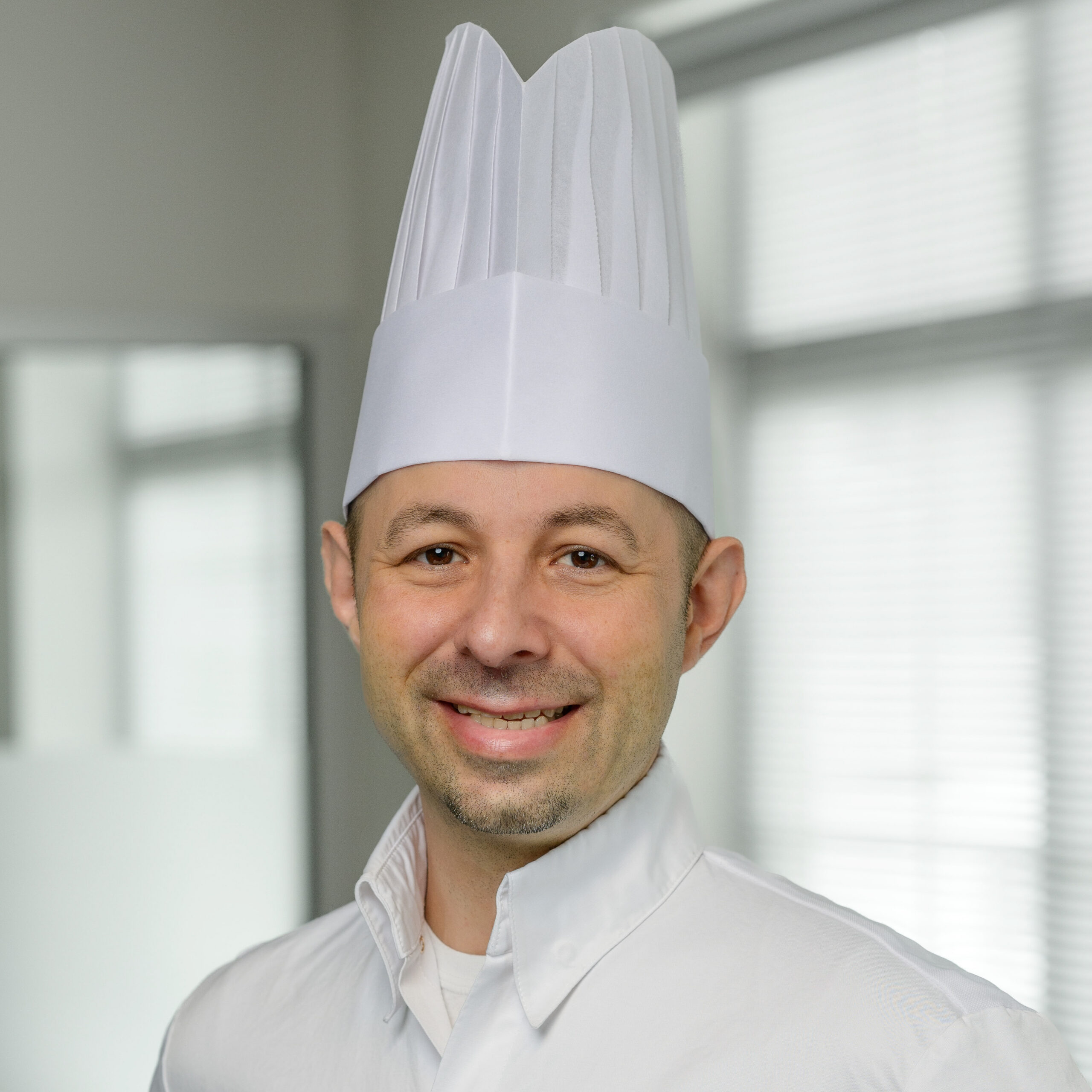
Matthew Thompson, World Certified Master Chef and Chief Culinary Officer for Restaura Hospitality Group
Nutrition plays an important role in longevity, but the experience surrounding food can be just as meaningful. For Thompson, living longer is only part of the equation. “It’s not just enough to live longer. It’s what are you doing with those years that you’re living,” he explains.
Along with a growing focus on health span, Thompson sees increased recognition of the importance of what he calls joy span. “How are those added years that you’re spending actually filled, such as being joyful, connected to your social environment, and celebrating with family? For me, food sits at the absolute center of the core of every one of those,” he says.
The senior care industry often separates clinical interventions from food, but that approach can overlook the significant role meals play in residents’ daily lives. Residents typically eat three times a day, giving communities frequent opportunities to use food to support health, well-being, and quality of life.
Dining itself can also be a meaningful experience, and Thompson and the Restaura Hospitality Group make that experience a priority. Their approach considers how food, music, ambiance, and other elements work together to create a cohesive dining experience, whether residents are enjoying a steakhouse-style meal or exploring cuisine from another culture.
“We’re thinking about crafting this experience comprehensively across every dining venue that we offer,” Thompson explains.
Rethinking Food as a Tool for Healthy Aging
Medications and wearable devices are commonly viewed as tools that can support longevity, but food is not always considered in the same way. Thompson believes that may be partly because senior care communities often approach food by focusing on what needs to be removed. Meals may need to be low in sodium, for example, or adapted to accommodate dietary restrictions, allergies, and texture modifications.
Rather than simply removing ingredients from existing dishes, Thompson sees value in cooking from scratch and designing meals that are inclusive from the start. “We don’t have to tell someone that you have to take croutons off of your salad because you’re gluten-free, or you have to remove the protein from your dish because you’re vegetarian,” he says. “We want to think creatively about how people can control their own experience without feeling as though it’s a punishment.”
Cooking from scratch also gives culinary teams greater control over ingredients, including sodium and sugar, while allowing them to better accommodate individual resident needs and preferences.
How Food Creates Connection and Meaning
Thompson has seen firsthand how food can affect residents’ quality of life, particularly in memory care settings. As residents experience cognitive decline, familiar foods can provide a multi-sensory connection to traditions and experiences from their past.
Serving a dish from a resident’s childhood, for example, can create opportunities for connection through aroma, appearance, taste, and other sensory cues. Those familiar elements may help residents engage with both the meal and the memories associated with it.
“Food really is a vehicle that helps make a connection with a resident who is struggling with cognitive decline,” says Thompson.
Food can take on even greater significance near the end of a resident’s life. For culinary teams, that reality underscores the importance of approaching every meal with care and intention. “If you’re in the industry long enough, you will be in the position of serving someone’s last meal,” says Thompson. “For me, there is awesome responsibility in that. It’s thinking intently every single day for every single dish. How can we craft an experience that makes it memorable for the resident that we’re serving?”
That responsibility can require chefs to shift their mindset. Their training and experience may have shaped a particular culinary perspective, but senior care dining ultimately needs to center on the resident. Thompson believes chefs must understand the people they serve and use their skills and experience to create meals that reflect residents’ needs, preferences, and expectations.
Bringing Personalized Dining Into Senior Care
The infrastructure in some senior care communities can make it difficult to fully integrate dining into the resident care experience. Some communities lack on-site cooking facilities, requiring meals to be prepared elsewhere and transported in. That model can eliminate elements such as the aroma of food being prepared and opportunities for residents to interact directly with cooks and chefs.
“We are doing everything we can to remove those barriers and bring the resident into their experience as close to the food production moment as we can, and that really means engaging with the clinical staff,” Thompson explains.
Stronger collaboration between culinary and clinical teams can also help communities create more personalized dining experiences. Clinical team members may have valuable insight into a resident’s preferences, needs, and routines. Sharing that information with the dining team can help culinary staff better tailor meals and experiences to each resident.
Changing sourcing and production models may offer another opportunity for improvement. Thompson has encountered senior care kitchens that primarily heat frozen meals, but he advocates for cooking from scratch even when doing so requires more effort. This approach can give residents access to freshly prepared meals designed around their individual needs and preferences.
“I think that’s really where I would love to see this industry grow,” he says. “It’s pervasive in the retail marketplace, whether we order on our app and we can completely customize our meal, or we can say we don’t like pumpkin seeds on our salad. There are many other segments in the contract food marketplace that are embracing this idea of high degrees of personalization, customization, and cook-to-order, and I think senior living is beginning to catch up to that marketplace.”
Making Food Part of the Longevity Conversation
Making food a more central part of the longevity movement will require greater coordination across senior care organizations. Clinical, technology, culinary, and leadership teams all have roles to play in creating dining programs that support residents’ health while delivering experiences that are personalized and enjoyable.
Thompson believes the industry is evolving toward a broader understanding of food’s potential role in longevity and the overall resident experience. While achieving that vision will not be simple, he sees significant opportunities ahead. “It is going to be highly complex,” he says. “I see this as one of the final frontiers of really elevating the experience. It’s a very exciting time, from my perspective, to be embarking at the onset of this journey.”
Paige Cerulli is a contributing writer to i Advance Senior Care.
Related Articles








Topics: Featured Articles , Nutrition , Operations