

 by Paige Cerulli
How Communities Can Support Residents with Chronic Pain Without Relying Solely on Medication
Chronic pain is a part of life for many older adults, and it can have significant effects on their physical, emotional, and social well-being. Though medication plays an important role in managing chronic pain, there are other ways to provide relief and support older adults living with it. Senior care communities that take an active role in supporting residents with chronic pain can make a meaningful difference in their overall well-being.
Here are some ways communities can better support residents living with chronic pain and help improve their quality of life.
Provide Access to Doctors

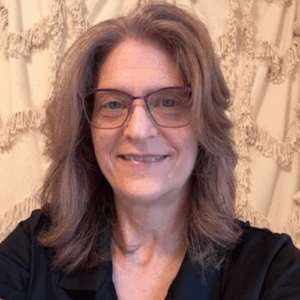
Dr. Christina Le-Short, MD, MBA, medical director and vice president of clinical delivery at Override
One of the most difficult challenges in supporting residents with chronic pain is ensuring they have access to medical appointments. Dr. Christina Le-Short, MD, MBA, medical director and vice president of clinical delivery at Override, which specializes in chronic pain management without opioids, has encountered this challenge with several of her patients who live in senior care communities.
Many of the patients don’t drive and instead rely on transportation provided by the community. Arranging and coordinating that transportation can be difficult. “Doing appointments virtually has been a game changer, but that in itself is a challenge,” says Dr. Le-Short, noting that many older adults are intimidated by technology.
Consistent access to doctors is key to pain management. Communities can help facilitate access by providing flexible and reliable transportation, helping residents navigate the technology needed for telehealth appointments, and identifying and removing other barriers to appointments.
Watch for Feelings of Guiltiness and Loneliness
Dr. Le-Short says pain can lead to feelings of isolation and loneliness in older adults. “Many patients tell me their best friends have passed, and they feel guilty or like they’re a burden to their family members if they have any sort of chronic illness,” she explains. Those feelings can be especially pronounced among older adults living with chronic pain, since their condition is largely invisible to others.
Feelings of guilt or concern about burdening others can also make older adults reluctant to seek care. Seeking another referral or going to physical therapy may feel like one more responsibility for residents, adding to their perceived burden. Some older adults are fearful of driving while taking certain medications, so they may avoid taking them when they need to drive to appointments. Senior care community staff should be aware of these concerns and monitor residents who seem to be withdrawing.
Encourage Psychological, Social, and Physical Health
In addition to medication management, when needed, Dr. Le-Short recommends a three-pillar approach to managing pain that focuses on psychological, social, and physical health. By addressing each of these areas, senior care communities can better support residents living with chronic pain.
Psychological support comes from recognizing when residents withdraw from activities or show signs of depression. Communities can address this by offering group counseling or access to mental health treatment.
The social aspect is also important. By offering group activities and encouraging socialization, communities can help residents maintain meaningful social connection.
To support the physical pillar of health, Dr. Le-Short recommends low-impact activities like chair yoga and water-based exercise. “Aquatic treatment is really amazing,” she says. It’s also particularly helpful if residents have access to physical therapists who are trained in movement and kinesiology.
Low-impact exercise can have valuable pain-reduction properties. “Every time we move, we’re helping joints lubricate and get good blood flow,” says Dr. Le-Short. “But you’re also stimulating the nervous system, and when you do this in a healthy movement and in a calm space, you help decrease pain, overall.”
Provide Pain Management Education
Helping residents understand the science behind pain may give them a better understanding of what causes it and how it’s processed in the brain. That education and support might consist of recommending websites and offering resources, including YouTube videos and podcasts. “When patients understand their ailment, they feel more empowered to do something about it,” says Dr. Le-Short.
Enhance Communication with Health Professionals
Communicating with residents’ healthcare providers can be challenging for senior care communities, but maintaining that communication is essential to supporting residents living with chronic pain. Dr. Le-Short says technology can help facilitate communication by allowing community staff to call in or participate virtually in interdisciplinary team meetings.
“Often, I see the patient, then have to fax over my notes and hope they follow the care plan,” she says. She typically only finds out whether the plan is being followed by asking family members or the patient themselves during their next visit.
Improved communication could help address medication compliance issues that Dr. Le-Short has observed in patients. In many cases, residents don’t understand their medication program or what has been discussed during an appointment. Some people bring a notepad and write down as much information as they can, which she encourages. She also prints out post-visit summaries. But even then, there’s sometimes confusion about what was discussed. Enhanced communication between healthcare providers and senior care communities could help ensure better resident medication compliance and understanding.
Enhancing Support for Residents with Chronic Pain
Managing chronic pain requires a comprehensive approach, and senior care communities play an important role in helping residents find relief and maintain their quality of life. Beyond supporting doctor-prescribed medication plans, communities can make a meaningful difference through practical steps, from providing transportation to medical appointments to offering low-impact activities like chair yoga. By addressing residents’ needs beyond medication alone, communities can help improve their overall well-being and quality of life.
Paige Cerulli is a contributing writer to i Advance Senior Care.
Related Articles







Topics: Activities , Clinical , Featured Articles , Rehabilitation