
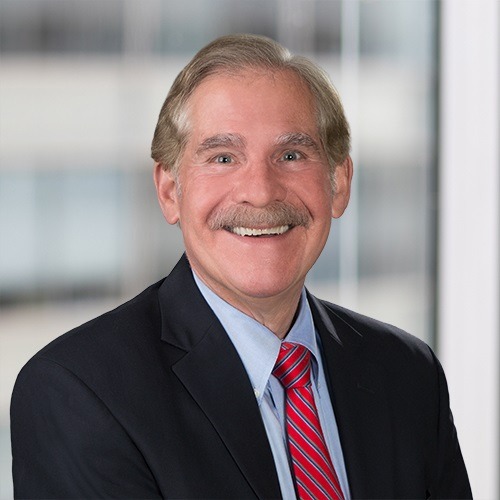
 by Alan C. Horowitz
View from the Trenches: Interview with Jenny Albertson, NHA

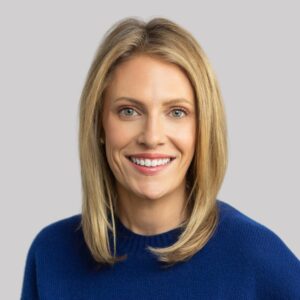
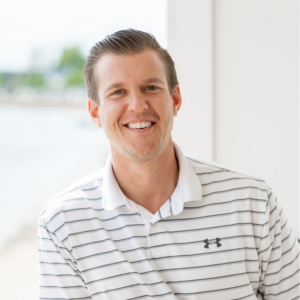
Jenny Albertson, Director of Quality and Regulatory Affairs for the Colorado Health Care Association
With the senior care industry facing mounting regulatory, financial, and demographic pressures, long-term care leaders are being asked to navigate increasingly complex terrain. In this article, Alan Horowitz explores how those challenges are playing out across skilled nursing, assisted living, hospice, and memory care through a wide-ranging conversation with Jenny Albertson. Jenny has served as a nursing home administrator (NHA) at various skilled nursing facilities (SNF) for the past 17 years and currently serves as Director of Quality and Regulatory Affairs for the Colorado Health Care Association (CHCA).
Read on for insights into the evolving regulatory environment, the increasingly complex realities of caring for a senior population, and the leadership decisions shaping the future of long-term care.
AH: Let’s start with the CHCA. Can you briefly tell our readers about the CHCA? What are its missions and goals?
JA: CHCA’s mission is elevating care and building thriving communities. We are the largest coalition of nursing homes and assisted living residences in Colorado. We support our members to make a positive impact on the lives of the frail, elderly, and disabled individuals we serve. As part of that, we educate and influence public policymakers to create an environment where facilities can provide the highest quality of care in a meaningful way.
AH: You served on the Nursing Home Innovations Grants Board for four years. Can you describe some of the activities you were involved with and the purpose of that Board?
JA: CMS designates the authority for spending the Civil Money Penalties fund to state-level decision-makers. In Colorado, we formed this Grants Board to review applications, submit them to CMS for approval, and shepherd them through their up-to-3-year implementation. During my time on the Board, we oversaw a project to bring validation therapy dementia care training into nursing homes across the state, a Leadership Chautauqua event to support long-term care leaders, and an experimental expansion of an activities program at a continuum of care community.
AH: As a former NHA, you have had a first-hand view to senior care in skilled nursing facilities. Some residents were there for short-term rehabilitation and others were there for the duration. What are some of the changes you’ve witnessed in SNFs over the last decade or so?
JA: I have witnessed a shift in the population we serve, which has brought with it significant changes in both regulatory enforcement and operational challenges. The people I served when I began this work were largely dependent for care needs due to physical ailments or limitations. Sometimes these were caused by degenerative disease or the aging process, and sometimes by tragic events. While we still have many of those people, we also now care for many recently unhoused individuals who have needs stemming from that lifestyle. These individuals often do not have ongoing physical care needs, but they have no viable discharge location or capability to meet their own basic needs, so they remain in our settings. There is also a much higher presence of mental illness since the communities that would have cared for these needs have been closed since the deinstitutionalization movement of the 1980s.
AH: On a related note, the assisted living communities have grown considerably over the past few years. Have there been any significant changes in that sector?
JA: Assisted living communities in CO range from 3 beds in a home setting to hundreds of apartments. This sector now cares for the majority of our private pay individuals all the way to hospice end of life. They used to focus on people whose needs were limited and generally supervisory, but many have increased their clinical acuity to meet demand of people who can pay for a la carte services for higher needs as they age in place.
AH: You have a wealth of first-hand experience in both the SNF and ALF arenas. What advice would you give to a family who was considering placing a loved one in either an SNF or an ALF?
JA: Look for people who exhibit joy. Walk around, observe, and ask questions. A report card or rating system only tells you what data has been captured. It is not the full picture. No matter what the level of care, you want your loved one to be among caregivers and fellow residents who enjoy where they work or live. A healthy community has a lot of smiles and meaningful interaction. The community should see everyone as an individual who still has a fullness of life to live.
AH: There has also been a proliferation of stand-alone memory care units. How does the dementia care in a memory care facility compare with a dedicated memory care unit that is part of a SNF?
JA: The memory care provided in an AL is typically going to be for less progressed cognitive decline as they will not accept individuals requiring 24/7 ADL (activities of daily living) care and may have limitations on admitting people who need help moving about or toileting, for example. In other words, AL memory care focuses on people who need more programmatic structure and relational support while SNFs provide all of that in addition to increasing clinical needs. SNF memory care can provide everything from assistance with eating when that impulse is lost all the way to hospice end of life care at the end of a dementia journey.
AH: Speaking of dementia care, the Alzheimer’s Association predicts that the amount of Americans aged 65 and older who will develop Alzheimer’s Disease by the year 2050 is 13 million. As a society, are we doing enough to educate people about early recognition, available treatment, and resources to combat the devastating trajectory of this disease, and other forms of dementia (e.g., vascular dementia, Lewy body dementia, and frontotemporal dementia)?
JA: That’s an interesting way to ask that question. Societally, I see our failing around dementia-related diseases not in the areas of education as much as normalization. Loved ones caring for those with cognitive decline struggle in every way imaginable, and often we see them at their wits’ end, feeling like they have forsaken their entire connection to the outside world to care for this person in their life. But they are not at all alone, as your demographics show. Somehow, we aren’t acting like our neighbors and friends can and will be exposed to dealing with the impacts of this disease process. We do plenty in the wellness space to advise people to keep their minds active, sleep well, keep moving, eat right, etc. Those are excellent preventives. And yes, we’d all like to see more successes in treatment and research. But until that bears viable fruit, walking alongside and loving people through their disease progression is an incredibly meaningful way to contribute.
AH: How helpful is the CMS Care Compare website for a family looking to find an appropriate facility (SNF or hospice) for a loved one?
JA: SNFs are under a very high level of scrutiny from regulators. The state employs regulatory inspectors to examine every licensed nursing home for compliance with federal and state regulations with a recertification survey like you mentioned, as well as every complaint or self-reported incident filed that cannot be resolved with a few sentences of explanation. We want to know we have impeccable standards for care of our most vulnerable. The question is, does this process actually get us better care? Research into compliance enforcement shows that people and organizations show more sustained and meaningful improvement with positive reinforcement. The survey process is entirely reactive and punitive. It tells us what is wrong, but it does not help us make it right. So, if a family is looking for how well an SNF performs, the regulatory compliance is really only a fraction of the story. What is more valuable on the Nursing Home Compare site is the staff turnover numbers (especially whether the Administrator has stayed in place) and some of the quality measures.
AH: What are some of the challenges that SNFs face?
JA: Our top challenges are diminishing financial stability, liability risks when balancing resident safety and rights, and a massive shift in our population to those with mental health and substance use disorders.
AH: Some people feel that the regulations for SNFs are unnecessarily burdensome. Do you believe that the Nursing Home Reform Act, also known as OBRA ’87, and its additional requirements from an extensive 2016 Final Rule went far enough or too far to ensure quality care for all residents?
JA: As with any rules, there has been collateral damage with the implementation of these changes. Were they needed to make us more patient-centered and to improve resident dignity? Yes. But we acquired several requirements that twist us into pretzels, so to speak. Do we really think it’s reasonable to have law enforcement come out to investigate every allegation of abuse when that term is now so broad that it includes a cognitively impaired person’s belief that someone took an item from their room? The abuse reporting requirements particularly have hamstrung care facilities from creating safe communities that allow for normal levels of human conflict and instead made them act out of anticipation of penalties for not following the letter of the law. SNF regulation is a classic example of perfect being the enemy of the good.
AH: Many of our readers, like all Americans, have family members or know someone who needs hospice services or palliative care. Can you explain some of the differences between hospice and palliative care?
JA: Hospice is a separate service that is intended to support people and their loved ones in their final 6 months of life. We so appreciate working with hospices within nursing homes because they often give more one-on-one than we can provide for everything from companionship to bathing. Palliative care is often offered by a hospice agency, but it can also be given by in-house primary care providers. It is meant to help people improve how they live with their chronic illnesses that are not expected to be cured.
AH: What about home and community-based care? Is that a viable alternative to SNF care?
JA: Home and community-based services, or HCBS, are valuable services to people who rely on state assistance for their health coverage, have a place to live, and have ongoing care needs. The people who can benefit from these services are different from nursing home residents in that they do not require 24/7 help. If I have a wound that requires someone with a clinical skillset to treat it, I can get that at home. But if I not only have this wound but also cannot get myself to and from the bathroom, prepare my own food, or bathe myself safely, I will likely not be successful with someone dropping in for an hour or two a few times a week. We provide for different steps in the care continuum.
AH: Based on your experience and knowledge, how has AI affected senior care, especially related to SNFs and hospices?
JA: As far as I have seen (I’m not by any means an expert), AI is having an overall positive impact inside caregiving settings, but it has also damaged our ability to get that care paid by Medicare Advantage plans. They use AI to determine necessity of services when that should require a human determination. The AI in use in facilities is actually not AI but rather large language models that can scrub our medical records for trends and provide us with pattern recognition to identify patients at risk. Beyond that, there are some pilot programs with robotics for meal service and companion animals, but those are programmable robotics, not actually AI products.
AH: How has telehealth impacted hospice care?
JA: Telehealth has been helpful for those in less accessible areas for not only hospice but all sorts of other care. Dialysis, for example, can include a telehealth quarterly assessment when a patient finds it difficult to leave home. The recertification for hospice is also a telehealth-allowable service and has a similar benefit. Hospice does involve a fairly in-depth assessment process, so sometimes telehealth is not the best option.
AH: During COVID-19, the Centers for Medicare and Medicaid Services (CMS), the operating division within the U.S. Health and Human Services Department that regulates and oversees all Medicare providers, such as SNFs and hospices, waived certain face-to-face requirements. Would continued and even expanded use of telehealth benefit residents in hospices and SNFs?
JA: Telehealth benefits for therapies (PT, OT, ST) and for mental health treatment are absolutely essential for some of our rural providers. Even in urban settings, we sometimes have to turn down an admission when we do not have a mental health provider who will visit inside a community. Not every resident or service is well suited to telehealth, but having it available is significant and valuable.
AH: CHCA maintains its CHCA Advocacy Center. What are some of the state and/or national initiatives that CHCA is involved with? For example, does CHCA track relevant legislation or interface with state legislators?
JA: Our CEO and President, Doug Farmer, engages directly with lawmakers and maintains a tracking for our members of legislation that relates to our profession. We interact with hospitals, the Health Department, and many other partners in our network of service providers and funders to ensure we join forces for mutually held causes and stand our ground when we see a potential conflict on the horizon. Our Governmental Policy Committee meets monthly to receive our updates and make decisions about the path our advocacy will take.
AH: Can you describe some of the educational opportunities that CHCA provides for its members and the senior community at large?
JA: CHCA offers a range of educational resources from live and hybrid webinars to profession-specific routine meetings. Our annual Spring, Fall, and Assisted Living Conferences provide a collection of training along with inspirational speakers and opportunities to connect with others in the profession.
AH: What are some resources that CHCA provides to its members and again, the senior community in Colorado?
JA: I and my colleagues post urgently needed content on our website blogs, covering compliance issues, legislative advocacy, and reimbursement information. All of us are available to research problems or to seek clarification when state and federal guidance is murky. We are also a hub for networking among members, the businesses that support them, and the regulatory enforcement agencies. We act as conduits for member interests in venues where they may not have a seat at the table or time to participate. You’ll see us at regulatory rewrites, workforce collaborations, ethics committees, and Medicaid policy discussions. I bring all of that back to the members, so they know they are represented and kept in the know.
AH: Let’s talk about specific issues that SNFs deal with routinely. Falls are very common in the U.S. They are the leading cause of injury-related death in people 65 and older. How much of a problem is that for SNFs and what is being done to reduce the incidence of falls?
JA: Part of what makes long-term care unique is that we are meeting our elders in a time of life with medical and psychosocial needs that are not like that of the younger population. Our medical system is marketed towards saving, solving, and optimizing, but an older person is dealing with often chronic and degenerative processes that no longer fit that model. Falls are one of the symptoms of old age, no matter how much we hope to gird against them. In the SNF setting, a person’s fall risk is even higher because of the newness of their physical and mental changes. It is also a setting that does not allow for long periods of supervision. Unfortunately, our help-call systems require a person to ask for help and another person to respond timely to that request. The best interventions for falls are frequency of contact with the person, especially when they first arrive, and setting up the physical environment to make it easier for their specific needs. Whole-person, person-specific interventions are simply the best way to take care of someone, for fall prevention as with everything else.
AH: As you know, 40 states, including Colorado, have legalized medical marijuana. Yet, it remains a Schedule I drug according to the federal Controlled Substances Act. Some SNFs, such as the Hebrew Home for the Aged at Riverdale in New York, allow medical marijuana, and its use is overseen by its medical director, Dr. Zachary Palace and its staff. Since cannabis remains illegal under federal law, how can SNFs, hospices, and ALFs meet the legitimate needs of residents who are registered users and have benefited from cannabis?
JA: This one is difficult for the SNF community—less so for ALF and hospice. When we are beholden to Federal licensure standards due to the receipt of Medicare and Medicaid dollars, the Federal standard has to rule the day. Most communities have been either unwitting or post-hoc enablers of marijuana use as it is often self-acquired, self-administered, and self-stored. Due to the relative sacredness of individual rights, many communities have chosen to educate residents about potential risks for drug-to-drug interactions, provide tools to secure supplies, and incorporate their use into care plans. Forbidding use is often a fool’s errand that does not achieve abstinence, especially in states where it is legal. Many also enforce no use on grounds and encourage residents to confine use to when they are out of facility oversight. There is no right answer, but I am not aware of any Federal cases placing liability for violations on a state or a facility thus far.
AH: More than most people, you know that there is a sometimes-delicate balance between resident rights and resident safety in an SNF. Many people, including some caregivers and surveyors, do not appreciate that just because a resident may have a component of dementia, they can still be sexually intimate with another, so long as both people possess decision-making capacity (DMC). What makes this area so nuanced is that DMC can wax and wane within a day or from day-to-day. How can SNFs handle the challenge presented by cognitively impaired residents who want to be sexually intimate with another?
JA: We have seen an attempt at sympathy with this situation from the State enforcement team, but the CMS guidance to surveyors is significantly limiting. SNFs generally err on the side of prevention of abuse when consent and competency are in question. When DMC is affirmed, they attempt to support resident relationships while educating family members to keep them feeling secure and heard. Unfortunately, due to the risk for an abuse citation, the SNF staff often prevent a relationship from being physically intimate as a precaution, especially given the lack of immediate access to those who may be appropriate to determine DMC (such as an LCSW, psychotherapist, psychologist, or physician/extender).
AH: Colorado is one of only 12 jurisdictions that have legalized medical aid in dying (MAID). Does CHCA have a position regarding MAID?
JA: CHCA does not have a position on MAID. Most of our members do not support the active implementation of MAID within their communities due to faith-based ownership structures and ethical/legal implications for their treating physicians and clinical staff. If they do not allow MAID in their community, they assist patients interested in MAID in finding communities that do have this program. I also note that Colorado MAID is rarely suited to our population due to the requirement that the patient self-administer the medication with full cognitive capability to do so throughout the process.
AH: There is a growing trend for people who may be terminally ill or suffering from intractable pain (physical or psychological) to employ voluntary stopping eating and drinking (VSED) as a means to end their life. VSED is legally permitted in all 50 states. Does CHCA have a position regarding VSED?
JA: CHCA does not have a position on VSED. It does occur within our care settings, and we also see individuals cease life-sustaining treatment as part of their end-of-life wishes. Our CO Ethics Committees routinely review these cases to advise our members on respecting resident choice while complying with our Federal mandate to ensure provision of the highest level of well-being for our residents. It is one of the more difficult areas of care we provide, and we are at high risk for regulatory and legal impact in these situations.
AH: During the COVID-19 pandemic, the staff at most skilled nursing facilities was decimated. Broadly speaking, is staff recruitment and retention a problem for healthcare facilities that cater to the needs of seniors?
JA: Staffing in long-term care has come back gradually to the level it sustained prior to the pandemic. That level was already problematic for our eldercare, and we have actually seen a significant shift well beyond pre-pandemic levels in the number of caregivers working in home healthcare and ambulatory care over that same period—an increase of 37 percent and 16 percent employment, respectively. So, while we are trying to get people to become caregivers for our surging Baby Boom generation, we are losing many of our potential care force to these other parts of the continuum. I have to hope that we will be able to attract these people to care for our seniors given the incredible personal fulfillment and meaning this work can provide.
AH: Given the recent guidance from CMS as well as the CDC and FDA, there has been some confusion about vaccines for people over 65, especially for COVID-19. Does CHCA have specific recommendations for seniors who are considering a vaccine?
JA: CHCA partners closely with PALTMed-CO, and we have shared their vaccine recommendations with our members. These folks are experts in geriatric medicine, and they direct our clinical care across the state through each facility’s medical director. They recommend at least one dose of a 2025-2026 COVID vaccination to everyone 18 and over, with additional doses for those with moderate to severe immunocompromise.
AH: Social isolation is widespread among seniors in America. According to some studies, 24 percent of community-dwelling Americans over 65 report social isolation. As a society, are we getting better at addressing this problem or is there much work to be done?
JA: The US is not the happiest place to live for any age group. We are far down the list on the World Happiness Report, and part of that is determined by perception of the generosity of and connection to ones’ neighbors. It is no surprise that a country that reveres rugged individualism struggles to keep social connection. The senior population is at great risk for disconnection given their stage of life—not finding a peer group, dropping off kids at school, going to work, or trying new activities. It takes active effort for an individual to directly interact with people, and it’s a problem for all age groups now that we find so much more of what we need to entertain and inform us on our phones and in our homes. We of course must do more as a society to counteract this problem, for our seniors and for all of us. I feel our senior care communities do act as a social hub for many people escaping the isolation of aging or caregiving alone at home.
AH: You have been very patient and forthcoming, and we appreciate your willingness to share your insights and experience. I have a final question for you. If you had a magic wand, what changes would you want to see for our nation’s seniors and especially those that live in SNFs, ALFs or hospices?
JA: If I could magically change one thing, I would reverse our decision-making from reacting to missteps to proactively building a data-driven approach. Ask the right questions and support policies with actual answers. New regulations, funding models, litigation rules—all would be required to have a basis in research or experience, and be subjected to the same “plan-do-study-act” cycle we implement in our quality improvement models.
Alan C. Horowitz, Esq., RN, is principal at Alan C. Horowitz & Associates and a member of the IASC Editorial Advisory Board. He focuses his legal practice on regulatory compliance and risk management for skilled nursing homes, hospices and home health agencies and manages cases where the Centers for Medicare and Medicaid Services (CMS) has imposed an enforcement action.
He is a former partner at Arnall Golden Gregory LLP, and also served as assistant regional counsel Office of the General Counsel, U.S. Department of Health and Human Services. As counsel to CMS, he was involved with hundreds of enforcement actions and successfully handled appeals before administrative law judges, the HHS Departmental Appeal Board and in federal court. He also has clinical healthcare experience as a registered respiratory therapist and registered nurse. He can be reached at AlanHorowitzLaw.com.
Related Articles




Topics: Advocacy , Alan C. Horowitz , Alzheimer's/Dementia , Executive Leadership , Facility management , Featured Articles , Medicare/Medicaid , Operations , Regulatory Compliance , Risk Management , Staffing