
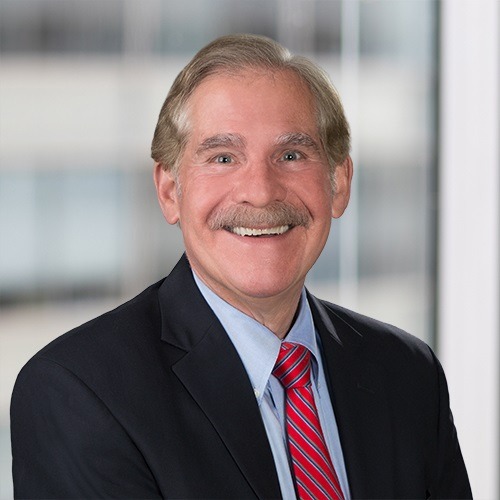
 by Alan C. Horowitz
View from the Trenches: Interview with Dr. Jean Storm
As the senior population grows and care needs become increasingly complex, providers are being challenged to improve outcomes while preserving quality of life. From workforce shortages and chronic disease management to palliative care, medication safety and healthy aging, senior care leaders must navigate a wide range of clinical and operational priorities.
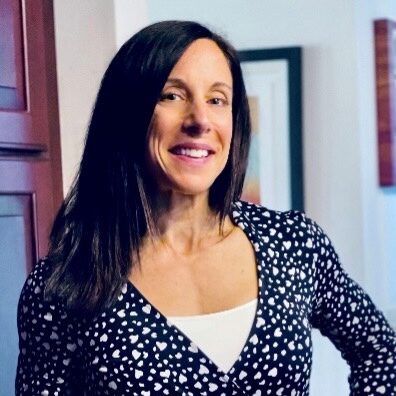
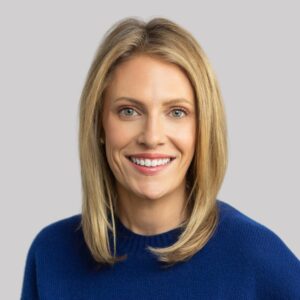
Dr. Jean Storm, medical director for Quality Insights
Dr. Jean Storm brings both clinical and quality-improvement expertise to these challenges. As medical director for Quality Insights, a quality improvement organization, she provides clinical guidance to the organization’s initiatives in the nursing home, hospital, and outpatient settings and plays a key role in strategic planning and business development.
Previously she served as medical director for five-long term care facilities across Pennsylvania and West Virginia involved in both skilled and long-term populations and as a regional medical director for 38 West Virginia long-term care facilities.
Dr. Storm earned her DO from Lake Erie College of Osteopathic Medicine and completed her postgraduate training at Millcreek Community Hospital in Erie, PA. She is board certified by the American College of Osteopathic Internists and is a Certified Medical Director (CMD) by the American Board of Post-Acute and Long-Term Care Medicine. She is also board certified in Healthcare Quality and Management (CHCQM) by the American Board of Quality Assurance and Utilization Review Physicians.
Read on to learn Dr. Storm’s perspectives on the most pressing challenges facing older adults and senior care providers—and the strategies that can support better outcomes, safer care, and healthier aging.
AH: You are the Medical Director of a non-profit organization known as Quality Insights. Can you describe for our readers what your role encompasses?
JS: My role is to help healthcare organizations improve the quality, safety, and value of the care they provide. Our goal is to improve health. We work with hospitals, nursing homes, physician practices, health systems, and community organizations to translate evidence-based medicine into everyday practice. I provide clinical leadership, develop educational programs, speak nationally on healthcare quality, and help organizations solve complex clinical and operational challenges. Ultimately, our goal is simple: help people live healthier lives by improving the systems that care for them.
AH: Quality Insights has worked with thousands of clinicians who in turn have helped millions of patients. Can you describe some of those activities?
JS: As a health improvement organization since 1973, we have stood by our model: helping clinicians so they can help patients, while also working directly with patients and the community organizations that reach them.
We have done intensive work under a federal contract with nursing homes over a recent five-year period, providing hands-on education, facility-level data, and direct support that cut opioid-related problems and inspection citations by 10.5 percent, reduced hospitalizations for long-stay residents by 46 percent, and earned satisfaction among the facilities we worked with. We’re building on that experience now.
The same model runs through everything else we do. We collect and analyze data from every VA hospital and clinic in the country, so veterans get better care. We serve as one of the End Stage Renal Disease Network contractors that support dialysis facilities and patients with kidney failure, serving seven regions covering 17 states, Washington, D.C., Puerto Rico, and the U.S. Virgin Islands. And we support state- and community-level work in behavioral health, public health, and CDC-funded initiatives across several states, partnering with community organizations and putting people like community health workers directly in front of patients, always with the goal of getting clinicians and patients the tools and support they need. Through AwardCE, we support team-based clinician education, and through Thinkspace, we collaborate to improve rural health. Different populations, same throughline: give people the tools and best practices they need, and health improves.
AH: As a medical and compliance expert, you have provided your expertise to skilled nursing facilities and other healthcare providers. Are there any common areas of concern you’ve noticed regarding the needs of patients/residents?
JS: The biggest challenge I see is balancing medical complexity with quality of life. Today’s nursing home residents are older, frailer, and often have multiple chronic illnesses. They require highly individualized care that addresses not only medical needs but also cognitive health, mobility, nutrition, emotional well-being, and personal goals. Communication in all medical environments remains a challenge. Families require accurate, clear information from providers, so they understand what to expect for the trajectory of chronic disease to allow them to participate in care decisions for their loved one.
AH: The last question leads me to ask about what is being referred to as the ‘Silver Tsunami.’ As a society, are we prepared to meet the medical and psychosocial needs of baby boomers?
JS: We’re making progress, but we’re not fully prepared. The aging population will dramatically increase demand for physicians, nurses, therapists, caregivers, and long-term care services. At the same time, many healthcare professionals are retiring or simply leaving the healthcare environment due to burnout, creating workforce shortages. We also need to rethink aging—not simply treating disease, but promoting healthy aging, preventing disability, supporting family caregivers, and investing in community resources that allow people to remain independent as long as possible.
AH: Many people are confused about the role of palliative care versus hospice. Can you differentiate between the two?
JS: Palliative care focuses on improving quality of life for people living with serious illnesses and can begin at any stage of disease—even while receiving curative treatment. Hospice is a form of care specifically for individuals who are approaching the end of life and have chosen to focus on comfort rather than curative therapies. Both emphasize symptom management, emotional support, communication, and help patients achieve their own goals of care at a crucial time in life. There tends to be some stigma surrounding both models of care, but patients enrolled in both palliative and hospice care report better quality of life, and some studies indicate that patients might actually live longer.
AH: From the perspective of a physician focusing on geriatrics, what do you feel are some of the medical challenges seniors face today?
JS: Chronic disease remains the biggest challenge. Conditions such as heart disease, diabetes, kidney disease, dementia, arthritis, and osteoporosis often occur together. Beyond the diseases themselves, seniors face issues like medication burden, falls, frailty, loneliness, cognitive decline, transportation barriers, and navigating an increasingly complex healthcare system. Good geriatric care means looking at the whole person rather than treating each disease separately.
AH: According to national polls, including an AARP survey, more than 1 in 3 adults aged 50 to 80 experience loneliness, and many feel isolated. What recommendations do you have?
JS: Loneliness is more than an emotional issue—it increases the risk of depression, heart disease, dementia, and even premature death. I encourage seniors to stay socially engaged through volunteer work, faith communities, exercise classes, senior centers, or simply maintaining regular contact with family and friends. Technology can also help connect people when mobility is limited. Just as we prescribe medications, we should also ‘prescribe’ meaningful social connection. Interestingly, one of the best uses of social media is for older adults to stay connected with friends and family.
AH: Do you think medical school curriculum focuses enough on geriatric medicine?
JS: We’ve improved over the years, but I don’t believe we devote enough attention to geriatrics. Nearly every physician, regardless of specialty, will care for older adults. Medical education should place greater emphasis on dementia, frailty, medication management, communication, goals-of-care discussions, and interdisciplinary teamwork.
AH: You’re a Certified Medical Director (CMD). Can you tell our audience what it takes to become a CMD and what the significance of that is?
JS: The Certified Medical Director (CMD) credential is an advanced certification for physicians who serve as medical directors in nursing homes and other post-acute and long-term care settings. Awarded by PALTmed (Post-Acute and Long-Term Care Medical Association), the CMD recognizes physicians with expertise in both clinical care and healthcare leadership. Physicians typically complete the certification process over a year, including specialized education in medical direction, leadership, and quality improvement. For nursing homes, having a CMD can strengthen quality improvement efforts, regulatory readiness, and interdisciplinary care. For medical directors, the credential enhances leadership skills and professional credibility, while residents benefit from stronger clinical oversight, improved care coordination, and a continued focus on safety and quality.
AH: One of your many professional activities is hosting a podcast, Taking Healthcare by Storm. What led you to create it?
JS: I’ve always believed that some of the best ideas in healthcare never make it beyond conference rooms. The podcast allows me to bring innovators, clinicians, researchers, policymakers, and entrepreneurs together to discuss practical solutions that can improve healthcare. I am naturally curious, and I’ve learned something from every guest. It’s been fascinating to discover that despite different backgrounds, most agree on one thing: better healthcare starts with better communication and better systems.
AH: In addition to your podcast, you also maintain a blog. What subjects do you typically address?
JS: Most of my writing focuses on practical ways nursing homes can improve quality and patient outcomes. Topics include reducing unnecessary hospitalizations, improving medication safety, infection prevention, quality improvement strategies, survey readiness, leadership, patient-centered care, dementia care, and implementing evidence-based practices in long-term care. I enjoy taking complicated clinical topics and making them useful for frontline healthcare professionals.
AH: Medical marijuana is increasingly available. Do we have enough evidence-based knowledge?
JS: The evidence is growing, but significant gaps remain. Medical cannabis has demonstrated benefits for certain conditions such as chronic neuropathic pain, chemotherapy-induced nausea, and spasticity in multiple sclerosis. However, for many other conditions—including dementia-related behaviors—the evidence is still limited or mixed. Older adults are particularly vulnerable to side effects such as dizziness, confusion, falls, and drug interactions. As with any medication, decisions should be individualized, based on evidence, and closely monitored.
AH: Medical aid in dying (MAID) remains controversial. Any thoughts?
JS: This is one of the most ethically complex issues in medicine. Physicians have a responsibility to respect patient autonomy while also protecting vulnerable individuals and ensuring informed decision-making. Regardless of where one stands on MAID, I believe every patient deserves access to excellent palliative care, effective symptom management, emotional support, and thoughtful conversations about their goals and values around serious illness. These discussions often improve quality of life regardless of the final decisions that patients make.
AH: What should people know about chronic kidney disease (CKD)?
JS: Chronic kidney disease (CKD) often develops silently, which is why early detection is so important. Diabetes and high blood pressure remain the leading causes. The good news is that lifestyle changes, blood pressure control, diabetes management, and appropriate medications can significantly slow progression. Diet also plays an important role, although recommendations vary depending on the stage of kidney disease. Working with a nephrologist and a renal dietitian can make a tremendous difference in preserving kidney function.
AH: What would you like readers to understand about polypharmacy?
JS: Polypharmacy simply means taking multiple medications, but the issue isn’t just the number of medications—it’s whether every medication continues to provide more benefit than risk. As we age, our bodies process medications differently, increasing the risk of side effects, falls, confusion, hospitalizations, and dangerous drug interactions. Medication reviews should be performed regularly to simplify treatment whenever possible. Sometimes the safest prescription is the one we stop.
AH: Falls are extremely common among seniors. What measures help reduce the risk?
JS: Fortunately, many falls are preventable. Regular strength and balance exercises, reviewing medications, correcting vision problems, wearing proper footwear, managing blood pressure carefully, and making homes safer by removing tripping hazards and improving lighting all help. Preventing falls isn’t about limiting activity—it’s about helping people remain active safely because mobility itself protects health and prevents falls.
AH: Can you describe antimicrobial stewardship?
JS: Antimicrobial stewardship means using antibiotics wisely—prescribing them only when they’re truly needed, selecting the right antibiotic, and using it for the appropriate duration. Overuse contributes to antibiotic resistance, making infections harder to treat. Stewardship protects individual patients from unnecessary side effects while preserving the effectiveness of antibiotics for future generations. It’s one of the most important patient safety initiatives in modern healthcare.
AH: What are some of the most effective ways for seniors to mitigate the risk of serious diseases and also enjoy a meaningful life?
JS: The remarkable thing about healthy aging is that many of the most effective interventions are also the simplest. Stay physically active, eat a predominantly whole-food, plant-forward diet, maintain a healthy weight, don’t smoke, limit or avoid alcohol, sleep well, stay mentally engaged, nurture relationships, keep vaccinations and preventive screenings up to date, and work with your healthcare team to manage chronic conditions.
Perhaps most importantly, cultivate a sense of purpose. Research consistently shows that people who remain connected to their families, communities, hobbies, or volunteer work tend to live longer, healthier, and happier lives. Medicine can add years to life, but purpose adds life and joy to those years.
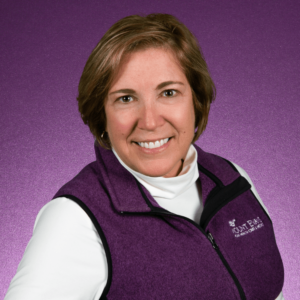
Alan C. Horowitz, Esq., RN, is principal at Alan C. Horowitz & Associates and a member of the IASC Editorial Advisory Board. He focuses his legal practice on regulatory compliance and risk management for skilled nursing homes, hospices and home health agencies and manages cases where the Centers for Medicare and Medicaid Services (CMS) has imposed an enforcement action.
He is a former partner at Arnall Golden Gregory LLP, and also served as assistant regional counsel Office of the General Counsel, U.S. Department of Health and Human Services. As counsel to CMS, he was involved with hundreds of enforcement actions and successfully handled appeals before administrative law judges, the HHS Departmental Appeal Board and in federal court. He also has clinical healthcare experience as a registered respiratory therapist and registered nurse. He can be reached at AlanHorowitzLaw.com.
Related Articles




Topics: Alan C. Horowitz , Clinical , Executive Leadership , Featured Articles , Leadership , Operations , Risk Management