

 by Paige Cerulli
Creating a Culture of Wellness: How Communities Can Inspire Older Adults to Embrace Exercise
A new study published in June reveals an apparent link between exercise and the reversal of prediabetes in older adults. The study found that older adults who performed more than 150 minutes of physical activity per week had a 4.15-time greater chance of reversing prediabetes. The study authors suggest that implementing plans to educate older adults about healthy eating, physical activity, weight management, and more may help reverse prediabetes.
While exercise is known to provide important health benefits, motivating senior care residents to participate is often a significant challenge. Here, five fitness and activity experts share successful strategies and best practices to help your community engage residents and foster a stronger culture of wellness in your community.
How Communities Encourage Exercise
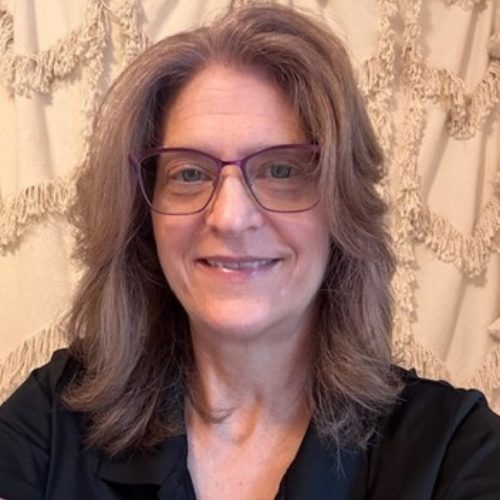
Brenda Hugueny-Axline, fitness center coordinator at The Highlands at Wyomissing
Senior care communities have found innovative ways to encourage residents to exercise regularly. Brenda Hugueny-Axline, a fitness center coordinator at The Highlands at Wyomissing, takes a personalized and holistic approach to encouraging movement. “Wellness looks different for everyone,” she says.
At The Highlands at Wyomissing, staff members take residents’ individual interests and wellness goals into account and invite them to classes and programs that align with their priorities. This leads to higher engagement and a deeper sense of enjoyment for residents in every activity. “We empower residents to take ownership of their health by providing access to their own attendance data, allowing them to track their progress and celebrate milestones,” says Hugueny-Axline.
Residents, themselves, can also be valuable sources of information about the types of exercise activities that will be well-received. Doneil Howard, director of recreation, United Hebrew Skilled Nursing & Rehab, explains that some residents expressed interest in returning to adaptive sports like bowling. “We had previously introduced bowling with pins and teams, and now they’re eager to bring it back,” she says.

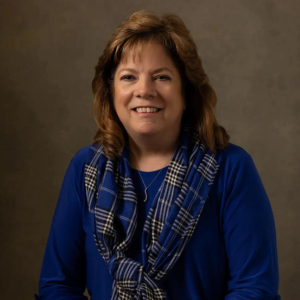
Doneil Howard, director of recreation, United Hebrew Skilled Nursing & Rehab
And according to Joanne Ferrara, activities coordinator at United Hebrew Assisted Living, most of the community’s exercise ideas come directly from residents. “Our residents are very vocal. If they want yoga, Zumba, or meditation, we find a way to make it happen,” she explains.
Connection is a powerful motivator, too. Lauren Wieseler, instructor and personal trainer at Touchmark at All Saints, says building personal relationships with residents can make a big difference, as it helps them feel truly valued and cared for.
Staff members regularly check in with residents and celebrate their exercise efforts, which helps them stay motivated. “We also make exercise social and accessible,” she explains. “From eye-catching flyers to themed events, we create an inviting atmosphere.” She adds that classes are offered at different levels, ensuring there’s something for everyone. She’s also found that offering classes that aren’t necessarily physical, such as an educational lecture to generate interest, can also encourage residents to try something new.
Sam Lefaive, senior fitness manager at Trillium Woods, does presentations throughout the year and reminds residents of the recommended 150 minutes of exercise each week. She’s also found that the community’s physical therapy department has been instrumental in encouraging residents. After residents are discharged, physical therapy staff bring them to the fitness center to continue their exercises. “It isn’t just something they should do as rehab. It should continue after that as regular exercise,” she explains.
Making Exercise More Fun for Residents

Sam Lefaive, senior fitness manager at Trillium Woods
Turning exercise into something fun makes it feel less like work and increases the likelihood that residents will exercise often. Lefaive notes that her community often incorporates music to make exercise more enjoyable, with upbeat tunes setting the tone for the class and boosting resident engagement. Instructors also bring energy and enthusiasm, further enhancing the experience.
Howard also incorporates music into exercise classes, allowing residents to choose the songs so the sessions feel more personal. “The goal is for movement to feel like a celebration, not a chore,” she says.
Hugueny-Axline not only uses music, but she also incorporates themes, costumes, and trivia into exercise classes to keep the atmosphere fun. “We host special events like Fitness Bingo and community-wide step challenges with prizes,” she explains. “Social elements, such as group classes and peer-led programs, help residents bond while staying active.”
How to Inspire Residents to Get More Active

Joanne Ferrara (right), activities coordinator at United Hebrew Assisted Living
There are many ways senior care communities can encourage residents to stay active and maintain regular exercise routines. Howard advises communities to begin by asking residents what kinds of activities they find enjoyable. “Implement those ideas, then reassess,” she explains. “You can design the best program on paper, but if it doesn’t resonate with the people you’re serving, it won’t succeed. Resident voice is essential.”
Ferraro highlights the value residents and external partners can offer. “You’d be surprised how many talented people are out there willing to lead a class or volunteer,” she says. She also emphasizes the importance of tailoring the program to residents’ interests.
Beyond physical health, exercise offers residents valuable opportunities for connection. Hugueny-Axline recommends designing activities that are both social and enjoyable. Communities can also bring in staff from multiple departments to foster a community-wide culture of wellness. “Celebrate participation, not just performance, and create ways for residents to track and share their progress,” she says.
Lefaive recommends that communities first establish a strong, consistent foundation, such as setting a class schedule and creating templates for each session, and then layer in fun, engaging elements once residents arrive.
Wieseler highlights the value of keeping exercise enjoyable and low-pressure. She stresses the importance of meeting residents at their comfort level—especially those who may not see themselves as ‘exercisers.’ “The goal is to make movement feel like a natural and enjoyable part of their day,” she says.
Perhaps most importantly, Wieseler emphasizes that it’s never too late for residents to start exercising. She’s seen residents in their eighties and nineties begin working out and experience meaningful improvements. “Shifting the focus to maintaining independence and reducing the likelihood of falls will positively impact quality of life dramatically,” she says. “When we focus on joy, connection, and individual strengths, incredible things can happen.”
Paige Cerulli is a contributing writer to i Advance Senior Care.
Related Articles








Topics: Activities , Facility management , Featured Articles , Operations , Rehabilitation , Risk Management