

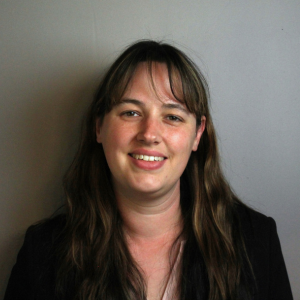
 by Paige Cerulli
How to Capture and Convert More Leads From Virtual Senior Living Tours
The pandemic accelerated the adoption of virtual tours across senior care, and the format has proven its staying power. Today, many communities continue to offer virtual tours as a standard part of their marketing strategy. These digital experiences allow seniors and their families to explore options without leaving home, serving as both an introduction and an early screening tool.
Yet while virtual tours are convenient, turning viewers into qualified leads requires intentional strategy. Communities that treat virtual tours as part of a larger marketing funnel, rather than as a standalone feature, are far more likely to see meaningful results.
Read on to learn how to structure virtual tours, capture stronger leads, and build a follow-up process that converts interest into action.
Why Virtual Tours Are a Critical First Step in the Decision Journey

Christina Bremner, founder and owner of Purple Door Finders
Virtual tours are no longer a temporary workaround. They represent a broader shift in how families research senior living options. Christina Bremner, a former marketing director for a senior living facility and the founder and owner of Purple Door Finders, notes that virtual tours reflect accelerated digital adoption in the industry. “Today, virtual tours remain widely offered because families now expect digital options as part of the research process before even considering an in-person visit,” she explains.
Families want to compare communities before making contact, and previewing a property online helps them feel informed and confident when they do reach out.
Joshua Ford, head of growth at Preview 3D, sees virtual tours as a friction-reducing tool for adult children and other decision-makers conducting early research. “The best-performing communities treat the tour as a confidence-builder and pre-qualification step that drives a clear next action, not as a replacement for an in-person visit,” he says. Essentially, the goal is not to replace in-person visits, but to move prospects closer to one.
How to Make Virtual Tours Feel Personal and Persuasive
Despite their advantages, virtual tours can feel impersonal. They may fail to convey the warmth of staff, the social atmosphere, and the daily interactions that define a community. To bridge that gap, Bremner recommends having a sales counselor lead live virtual tours, walking through the community with a camera while families watch in real time.
If a live option is not feasible, she suggests recording a counselor-led walkthrough that tells a story instead of simply showcasing rooms. “Be authentic, not perfect,” she advises. “Show typical rooms, not just staged and model units. Include real activity times rather than empty spaces.”
Regardless of whether a tour is live or recorded, Bremner recommends following up immediately with a personal call or a virtual meeting. “Tours show the space; people sell the experience,” she says. Communities should frame the virtual experience as a preview, encouraging families to take the next step and visit the community in person.
Turning Tour Views Into Qualified Leads

Joshua Ford, head of growth at Preview 3D
A virtual tour should be structured like a sales funnel, Ford recommends. “Keep the first minutes tight and story-driven, then place lead capture and CTAs at high-intent moments like care-level fit, lifestyle priorities, availability, and pricing expectations,” he suggests.
Lead capture should be short and value-driven. Instead of generic contact forms, communities can use language such as “Check availability and pricing ranges” or “Schedule a visit” to align the call to action (CTA) with what prospects are already thinking about.
Light gating can also improve lead quality without driving potential residents and families away. Requiring basic information such as name, email, and relationship to the potential resident allows families to access the tour while helping communities identify higher-intent prospects. “Light gating balances friction and conversion<” says Bremner. “Leads tend to be higher intent than contact us forms.”
She also recommends embedding human calls to action throughout the tour. “Make sure to ask, ‘Would you like to see this space live?’” she suggests. Placing prompts only at the end risks losing viewers who drop off earlier.
For pre-recorded tours, clickable CTAs that ask the same questions should be integrated at strategic points. Communities can then analyze engagement data, including time spent on specific sections, repeated views, and areas of interest, to tailor the follow-up. For example, a prospect who spends more time exploring memory care could be offered an introduction to the memory care director. Someone focused on apartments may respond better to information about pricing and availability.
Converting Virtual Interest Into In-Person Engagement
Strong follow-up is often what separates communities that convert from those that do not. “On follow-up, speed and relevance win,” says Ford. “Communities should send an immediate confirmation, then a personal outreach within minutes to a few hours during business hours, not days later.”
Even with self-guided or pre-recorded tours, personalization is possible. Referencing the sections a viewer explored and recommending a logical next step demonstrates attentiveness.
Bremner recommends reaching out within five to 15 minutes after a tour ends. Referencing the tour experience during that outreach is especially important, since families are likely engaging with multiple communities at once. “Your quick response and timing signal attentiveness and care,” she explains. “Personalization shows you’re paying attention. Families are often stressed, emotional, and comparing options. A fast response from you shows competence, care, and availability.”
The primary goal of follow-up should be to schedule a live, in-person tour or a live guided virtual walkthrough. “Keep in mind that senior living decisions don’t convert on their own, and virtual tours are a conversation catalyst, not a closer,” Bremner says.
Communities should also recognize that virtual tour leads behave differently than in-person visitors. “Virtual tour leads are often still validating options, managing fear or guilt, and not ready to commit or invest real time,” she says. “The key is to shift from closing to reassuring and guiding.”
Language is key. Phrases such as “You’re doing the right thing by learning first” can validate families’ research process and reduce pressure. Instead of assuming that a prospect is ready, teams should invite them to deepen their experience.
Virtual leads often require longer nurture cycles, making it important to plan accordingly. “They have repeat tours, sibling involvement, and pause while the crisis stabilizes,” says Bremner. “So, you’ll need to build a structured nurture program, including educational emails, gentle check-ins, and scenario-based messaging. They need ongoing reassurance, not pressure.”
Virtual tours can be a valuable source of leads for senior care communities, but only when they’re intentionally designed to move prospects forward. By structuring tours as part of a larger funnel, capturing high-intent information at the right moments, and following up quickly with personalized, reassuring outreach, communities can turn early research into real relationships and, ultimately, confident move-in decisions.
Paige Cerulli is a contributing writer to i Advance Senior Care.
Related Articles









Topics: Business Marketing Including Social Media and CRM , Facility management , Featured Articles , General Technology , Operations