

 by Alan C. Horowitz
View from the Trenches: An Interview with Jennifer Stevens-Lapsley, PT, PhD, FAPTA
Falls remain one of the most persistent and consequential challenges in senior care. In this candid interview, Jennifer Stevens-Lapsley, PT, PhD, FAPTA, discusses fall risk identification, mobility-centered care, post-acute recovery, the roles of technology and AI, and emerging frameworks that promise more systematic and scalable approaches to fall prevention in skilled nursing and community settings.
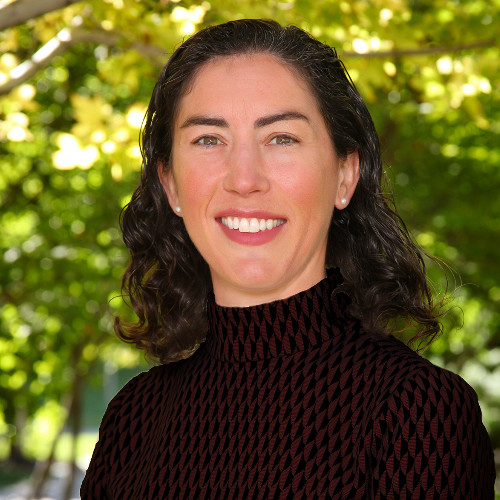
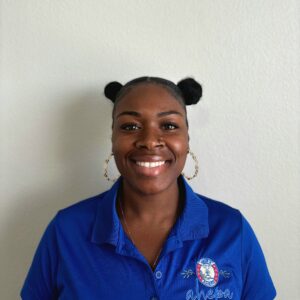
Jennifer Stevens-Lapsley, Professor and Director of the Rehabilitation Science PhD Program at the University of Colorado Anschutz Medical Center
Jennifer Stevens-Lapsley currently serves as a Professor and Director of the Rehabilitation Science PhD Program at the University of Colorado Anschutz Medical Center. She is also Associate Director for Research at the Geriatric Research, Education and Clinical Center (GRECC) within the VA Eastern Colorado Health Care System, among many other significant professional activities.
AH: The magnitude of the problem regarding falls is underscored by a September 2025 report from the HHS Office of the Inspector General (OIG). We’ll talk about that OIG report in a bit, but first, perhaps you could tell our readers something about your background, your formal education, experience and research that you’ve conducted.
JSL: I’ve spent my entire career focused on improving mobility and functional recovery for older adults. I completed my PhD in biomechanics and rehabilitation science, and over the past 25 years I’ve worked as a physical therapist, researcher, and academic leader. Much of my research centers on joint arthroplasty, medically complex patients, and ways to integrate evidence-based rehabilitation into real-world clinical settings, including the VA system.
AH: The OIG report found that in just one year alone, from 2022 to 2023, Medicare-enrolled nursing home residents experienced 42,864 falls with major injury and hospitalization and 1,911 of those residents died while hospitalized. And, according to the OIG, most of the residents who experienced falls with serious injury had fall risk factors that nursing homes identified prior to their falls. So, that begs the question, are we doing enough to prevent falls among seniors–both in and out of nursing facilities?
JSL: We’ve made progress, but we are not doing enough. Many fall risks are known well in advance, yet systems for identifying, communicating, and acting on those risks remain inconsistent. Preventing falls requires coordinated attention to strength, mobility, medications, environment, and staffing–areas that often operate in silos.
AH: Incidentally, the OIG also determined that nursing homes failed to report 43 percent of falls accompanied by a major injury and hospitalization. Does the lack of thorough reporting represent a missed opportunity? At a minimum, doesn’t underreporting skew a nursing home’s Star Rating on the CMS Quality Star Rating website, Care Compare?
JSL: Yes. When adverse events are underreported, organizations lose the ability to learn from them. Inaccurate reporting also affects public ratings and masks trends that could lead to better prevention strategies and staff training.
AH: What are some common factors leading to falls in the elderly?
JSL: Common factors include muscle weakness, impaired balance, medications that affect alertness or blood pressure, vision issues, cognitive impairment, and environmental hazards. Often it is the combination of several factors that lead to a fall.
AH: There is a higher incidence of falls in skilled nursing facilities (SNF) than outside of SNFs, on a per capita basis. Do assisted living communities experience more falls than the general public even among the same cohort (i.e. age)?
JSL: Generally, yes. Residents in assisted living often have more medical complexity and functional limitations than community dwelling older adults, which increases fall risk. The environment is supportive but not medicalized, so there can be gaps between resident needs and available monitoring.
AH: What are some of the measures SNFs can employ to mitigate the risk of falls?
JSL: The most effective strategy, which may seem counterintuitive, is to promote mobility. Regular walking, strength training, and supervised activity reduce fall risk far more than alarms or passive monitoring. Reviewing medications, ensuring adequate staffing, addressing vision and footwear, and maintaining clear and well-lit spaces are also essential.
AH: What about seniors who live independently, what can they do to mitigate falls?
JSL: Staying active is the single most effective approach. Strength and balance exercises, regular walking, medication reviews, routine vision care, and simple home modifications can substantially reduce fall risk.
AH: Can you explain the role of gait training and balance in fall prevention?
JSL: Gait and balance training improves a person’s ability to react to slips, navigate uneven surfaces, and stay steady during daily tasks. These skills are trainable at any age and are central components of successful fall prevention programs.
AH: What role do medications, such as antipsychotics and psychotropics, play in falls?
JSL: These medications can cause sedation, dizziness, slowed reaction time, and drops in blood pressure. In older adults, those effects significantly increase the likelihood of falls, which makes regular medication review important.
AH: How much of a factor does osteoarthritis play in falls among seniors?
JSL: Osteoarthritis contributes to pain, stiffness, and reduced mobility. Although it does not directly cause falls, its impact on movement can increase risk if not managed with exercise and appropriate support.
AH: According to the American College of Rheumatology and the American Academy of Orthopaedic Surgeons, there are approximately 790,000 Americans who have knee replacement surgery each year and that number is likely to increase. How important is post-knee arthroplasty rehabilitation in preventing falls?
JSL: Rehabilitation restores strength, stability, and confidence after surgery. Without it, patients may continue walking with compensatory patterns and weakness that increase fall risk, especially in the early months after surgery.
AH: You were involved with NIH-funded research concerning a clinical trial that evaluated whether adding an anabolic hormone stimulus to exercise resulted in improved functional outcomes after hip fracture in older women when compared with exercise alone. What were your conclusions, and do you see a role for anabolic hormones post hip fracture?
JSL: In the STEP HI trial, adding low dose testosterone to supervised exercise did not meaningfully enhance functional recovery compared with exercise alone. Exercise remains the primary and most effective intervention after hip fracture. Hormone therapy may have a role in select cases, but it is not a standard fall prevention strategy.
AH: Another of your many research projects focused on the functional decline that often follows acute hospitalization. I believe you proposed an intervention geared at lessening the effects of deconditioning for older people (Veterans, in your study) with improvement in home and community mobility. Specifically, how did your proposed intervention improve mobility and presumably, both the occurrence and the risk of falls?
JSL: Our program emphasized progressive strengthening, gait training, and higher levels of mobility practice. Although the study did not measure falls directly, participants demonstrated better walking speed and overall mobility, which are associated with lower fall risk.
AH: You have more than two decades of clinical experience dealing with osteoarthritis and arthroplasty, especially of the hip and knee. You have participated in the design, implementation, and publication of studies exploring whether innovative surgical and rehabilitation strategies improve physical function. Can you summarize your observations and recommendations going forward?
JSL: Patients do best when rehabilitation is timely, individualized, and sufficiently intense. Strength training before and after surgery, clear recovery expectations, and coordinated care pathways lead to better mobility and long-term function. Because outcomes vary among patients, personalizing rehabilitation is important.
AH: Nursing home residents are reported to take about 7 to 9 medications daily with some reports estimating that the average nursing home resident consumes 5 to more than 10 medications daily. How much of a problem is polypharmacy and should seniors attempt to work with their physicians to decrease the number of medications where clinically appropriate?
JSL: It is a significant concern. Many medications increase dizziness, sedation, and interactions that elevate fall risk. Seniors should review their medication list with a clinician on a regular basis to identify drugs that may no longer be needed.
AH: Are there physical things, such as environmental modifications, that can help to prevent falls? For example, do grab bars, removing throw rugs, having appropriate lighting, wearing grabber socks, lowering a bed to its lowest position, and placing mats adjacent to a bed make a significant difference?
JSL: Yes. Simple changes such as grab bars, improved lighting, removal of loose rugs, non-slip socks, and lowering a bed can greatly reduce risk. These are low-cost strategies that provide immediate benefit.
AH: Let’s discuss technology. How has technology helped to reduce falls with injury both in and outside of SNFs?
JSL: Wearable sensors, passive monitoring systems, improved lighting solutions, and mobility-assisting devices help identify risks and support safer movement. Technology can enhance safety but should be paired with active mobility programs.
AH: How has AI been introduced to mitigate falls?
JSL: AI systems can analyze movement patterns, predict fall risk, and alert caregivers to unsafe behaviors. In skilled nursing facilities, AI can identify when a resident is trying to stand and may need assistance, which is especially helpful for those with cognitive impairment.
AH: Do you see an expanded use for AI regarding fall prevention?
JSL: Yes. AI will likely play a greater role in care planning, early detection of functional decline, and real time mobility monitoring. The most effective use of AI will be in combination with clinical judgment and mobility-based interventions.
AH: Not all falls are preventable. SNFs cannot use physical or chemical restraints to keep a resident in bed or in a wheelchair. Yet, a common and challenging occurrence happens when a resident in a SNF who has advanced dementia tries to get out of bed without assistance even though the staff has asked the resident to use a call bell to signal for help. Yet often, such a resident attempts to get out of bed and perhaps walk to a bathroom unassisted. How large of a problem is that and is there anything else that can be done to mitigate the risk of falls?
JSL: It is a major challenge. Residents with dementia often cannot remember or follow safety instructions and may try to stand or walk without assistance. Proactive strategies such as increased supervision during high-risk periods, purposeful mobility throughout the day, environmental cues, and regular toileting can help reduce risk more effectively than alarms.
AH: Several years ago, when I represented the Centers for Medicare and Medicaid Services (CMS), I cross-examined a corporate QA nurse in a case where a resident fell 8 times in 6 weeks, with the last fall resulting in a fatal acute subdural hematoma. On cross-exam, when I asked the QA nurse if the facility performed orthostatic hypotension checks on the resident (among other elements of a fall risk assessment), the federal judge stopped me and admonished me that “we don’t do those things. We just don’t do those things because it’s driving Medicare costs up.” As you know, there is no cost associated with a nurse taking a few minutes and checking a resident for orthostatic hypotension. Can you describe what orthostatic hypotension is and whether that may be an appropriate tool in a nursing facility for predicting the risk of falls, especially for someone with a history of falls?
JSL: Orthostatic hypotension is a drop in blood pressure when someone moves from lying to sitting or standing. It can cause dizziness, lightheadedness, or loss of balance. Checking for it is simple and inexpensive, and it can be an important part of evaluating someone with recurrent falls.
AH: Can you talk about the role mobility plays regarding fall mitigation?
JSL: Mobility is central to fall prevention. People who move more have better balance, faster reactions, and greater confidence, all of which reduce risk. Increasing daily steps, practicing transfers, and walking regularly help strengthen the protective systems that keep people safe.
AH: The NIH recently awarded you a grant to sponsor a conference series called Mobility Matters: Advancing Patient-Centered Care in SNFs. Can you share what that grant and series involves?
JSL: The Mobility Matters initiative brings together national leaders in research, policy, and clinical care to address low mobility in skilled nursing facilities. The series includes an in-person conference, ongoing virtual workgroups, and a national white paper that will outline a shared research and policy agenda to advance mobility-focused care.
AH: Can you talk a little about some of the research you’ve done regarding falls?
JSL: Although falls are not my primary research focus, many of my studies address the underlying contributors to falls, including mobility, strength, deconditioning, and functional recovery after hospitalization or surgery.
AH: What can you share about some of the research projects concerning falls that you are currently involved with?
JSL: I am involved in projects that examine mobility as a protective factor in skilled nursing facilities and after hospitalization. Much of this work focuses on implementing high-intensity rehabilitation and understanding how activity levels influence recovery patterns that relate to fall risk. I also mentor investigators who are leading important fall-prevention initiatives. For example, Alexander Garbin, PT, DPT, PhD, is developing the VA specific Fall Risk Identification and Management model, known as FRIM, which uses telehealth-based screening and targeted referrals to physical therapy, psychology, pharmacy, and occupational therapy to address multifactorial fall risks in older Veterans. His work is an important step toward a more systematic and scalable approach to fall prevention in VA primary care.
AH: Do you have any additional suggestions for people, especially seniors, to prevent or mitigate the risk of falls?
JSL: Prioritize movement, review medications, maintain vision care, and make your home safer. Small daily habits such as standing up slowly, practicing balance exercises, and staying active make a meaningful difference.
AH: Is there anything else you’d like to share with our readers concerning your considerable experience and expertise regarding falls, fall research, and fall risk mitigation?
JSL: Falls are common, but they are not inevitable. With attention to mobility, environment, and clinical oversight, we can reduce risk and support older adults in maintaining independence and quality of life.
I am increasingly interested in applying my clinical and research background to help clarify questions around falls in nursing facilities, especially in situations where a fall occurs despite reasonable precautions and a focus on promoting mobility. Because mobility-driven care sometimes carries inherent risk, it is important for courts and attorneys to have access to clear, evidence-based perspectives on what constitutes reasonable practice. Although this is a newer area of interest for me, I welcome inquiries from those seeking expert insight into how mobility, clinical decision making, and fall-risk mitigation intersect in long-term care settings.
AH: Thank you very much for the important work that you have done and continue to do as well as your research related to falls and fall mitigation. And thank you for taking the time to chat with me this morning. I know our readers will appreciate your insights and experience.
For additional information regarding the academic positions, leadership roles and myriad research projects and scientific conclusions that Dr. Stevens-Lapsley has been involved with for more than two decades, view her 69-page Curricula Vitae.
Alan C. Horowitz, Esq., RN, is principal at Alan C. Horowitz & Associates and a member of the IASC Editorial Advisory Board. He focuses his legal practice on regulatory compliance and risk management for skilled nursing homes, hospices and home health agencies and manages cases where the Centers for Medicare and Medicaid Services (CMS) has imposed an enforcement action.
He is a former partner at Arnall Golden Gregory LLP, and also served as assistant regional counsel Office of the General Counsel, U.S. Department of Health and Human Services. As counsel to CMS, he was involved with hundreds of enforcement actions and successfully handled appeals before administrative law judges, the HHS Departmental Appeal Board and in federal court. He also has clinical healthcare experience as a registered respiratory therapist and registered nurse. He can be reached at AlanHorowitzLaw.com.
Related Articles




Topics: Clinical , Facility management , Featured Articles , Operations , Rehabilitation , Risk Management